The Exercise and Peptide Protocol: How to Get Maximum Results Combining Training With Therapy
By Dr. Jossy Onwude, MD
If you are on peptide therapy and asking whether exercise matters, the answer is yes, and it matters more than most clinicians explain. The right exercise peptide therapy protocol does not just complement your treatment. It can determine whether you see the results you came for, or plateau after a few weeks.
This guide breaks down the biology, the timing, the training approach, and the specific considerations for the most common peptide classes. No guesswork. No generic advice.
Why Exercise and Peptide Therapy Are Biologically Synergistic
Exercise and peptide therapy work through different but overlapping pathways — and stacking them correctly amplifies both.
Most therapeutic peptides work by signaling your body to produce or release something it already makes: growth hormone, repair proteins, and anti-inflammatory compounds. Exercise creates the demand for those signals to be acted upon. Without that demand, your peptide protocol loses much of its leverage.
Here is how the synergy works at the cellular level:
- Growth hormone secretagogues (CJC-1295, ipamorelin, sermorelin) stimulate your pituitary to release GH in natural pulses. Exercise — particularly resistance training — independently triggers GH release. Stacking these two inputs produces a substantially larger GH pulse than either produces alone.
- GLP-1 receptor agonists (semaglutide, tirzepatide) reduce appetite and promote fat loss. But lean mass loss on GLP-1 therapy can account for 25–40% of total weight lost without a structured exercise stimulus. Resistance training is what turns GLP-1 from a weight loss drug into a body recomposition tool.
- Tissue repair peptides (BPC-157, TB-500 fragment) support cellular healing and angiogenesis. Controlled exercise stress creates the micro-damage and blood flow signals that these peptides help resolve — accelerating tissue remodeling when both inputs are present.
The takeaway: peptide therapy creates the biological environment. Exercise provides the stimulus that tells your body what to do with it.
The Most Common Mistake Peptide Patients Make With Exercise
Most patients either do too much or the wrong type.
They start peptide therapy, feel a surge of energy or optimism, and jump into cardio-heavy routines. Or they underexercise entirely, assuming the peptide is "doing the work."
Both approaches waste the protocol.
The most evidence-supported approach for patients on growth hormone peptides or GLP-1s is progressive resistance training as the foundation, with cardiovascular exercise added based on your metabolic goals — not as a substitute for lifting.
Why resistance training first? Because it is the only modality that consistently:
- Signals muscle protein synthesis — the process that preserves and builds lean tissue
- Improves insulin sensitivity at the cellular level, enhancing amino acid uptake into muscle
- Maintains resting metabolic rate during weight loss
- Creates the mechanical load that repair peptides can act upon
GLP-1 users who added structured resistance training preserved 60% more lean mass compared to those who did not. In some documented cases, patients gained lean mass while losing 13–27% of total body weight, because training and peptide therapy were running simultaneously.
Exercise Peptide Therapy Protocol: The Timing Framework
Timing is where most patients leave results on the table.
Growth hormone peptide activity is tied to your body's circadian hormonal patterns. GH is released in pulses — highest during deep sleep, and again transiently after exercise. Administering GH secretagogues strategically around these windows amplifies their effect.
For Growth Hormone Secretagogues (CJC-1295, Ipamorelin, Sermorelin)
Critical rule: Elevated blood glucose blunts growth hormone release. Administering GH secretagogues in a fasted state — at least 2–3 hours after your last meal — prevents insulin from suppressing the GH pulse. Do not inject after a carb-heavy meal and expect full effect.
Exercise timing: Train in the morning if you use a morning fasted dose. If your primary dose is pre-bed, afternoon or early evening training works well. The key is not injecting immediately after a large post-workout meal if you are also trying to maximize GH secretagogue response.
For GLP-1 Receptor Agonists (Semaglutide, Tirzepatide)
GLP-1s are administered weekly with half-lives of 5–7 days. Timing relative to exercise is not a physiological variable here — the hormone levels are stable across days. The relevant considerations are:
- Schedule your injection on a rest day if nausea is a current side effect. Training through significant GLP-1 nausea is counterproductive and unnecessary.
- Keep pre-workout carbohydrates in place even in a caloric deficit. 30–40g of carbohydrates with 20–30g of protein 60–90 minutes before training protects workout quality without meaningfully disrupting fat loss.
- Prioritize hydration aggressively. GLP-1 patients on a caloric deficit and training 3–5 sessions per week should target 3–4 liters of water daily, with structured electrolyte intake.
For Tissue Repair Peptides (BPC-157, TB-500 Fragment)
These peptides support healing at the site of cellular stress. Their administration timing is more flexible, but post-workout dosing has clinical logic — the body is already mobilizing repair signals, and tissue repair peptides can amplify the response.
- If using for a specific injury: administer consistently around the same time daily, regardless of training schedule
- If using for systemic recovery: post-workout or pre-bed are both reasonable windows
- Do not treat these as replacements for adequate training load management. Overuse injuries that are not given rest will not respond to peptides alone
Note: BPC-157 and TB-500 are not FDA-approved for human use. Human clinical trial data remains limited, with most evidence from preclinical animal studies. Use under physician supervision only.
How to Structure Your Training by Peptide Goal
Goal 1: Body Recomposition on GLP-1 Therapy
If you are on semaglutide or tirzepatide and want to lose fat while preserving or building muscle — your exercise protocol is non-negotiable.
Training structure:
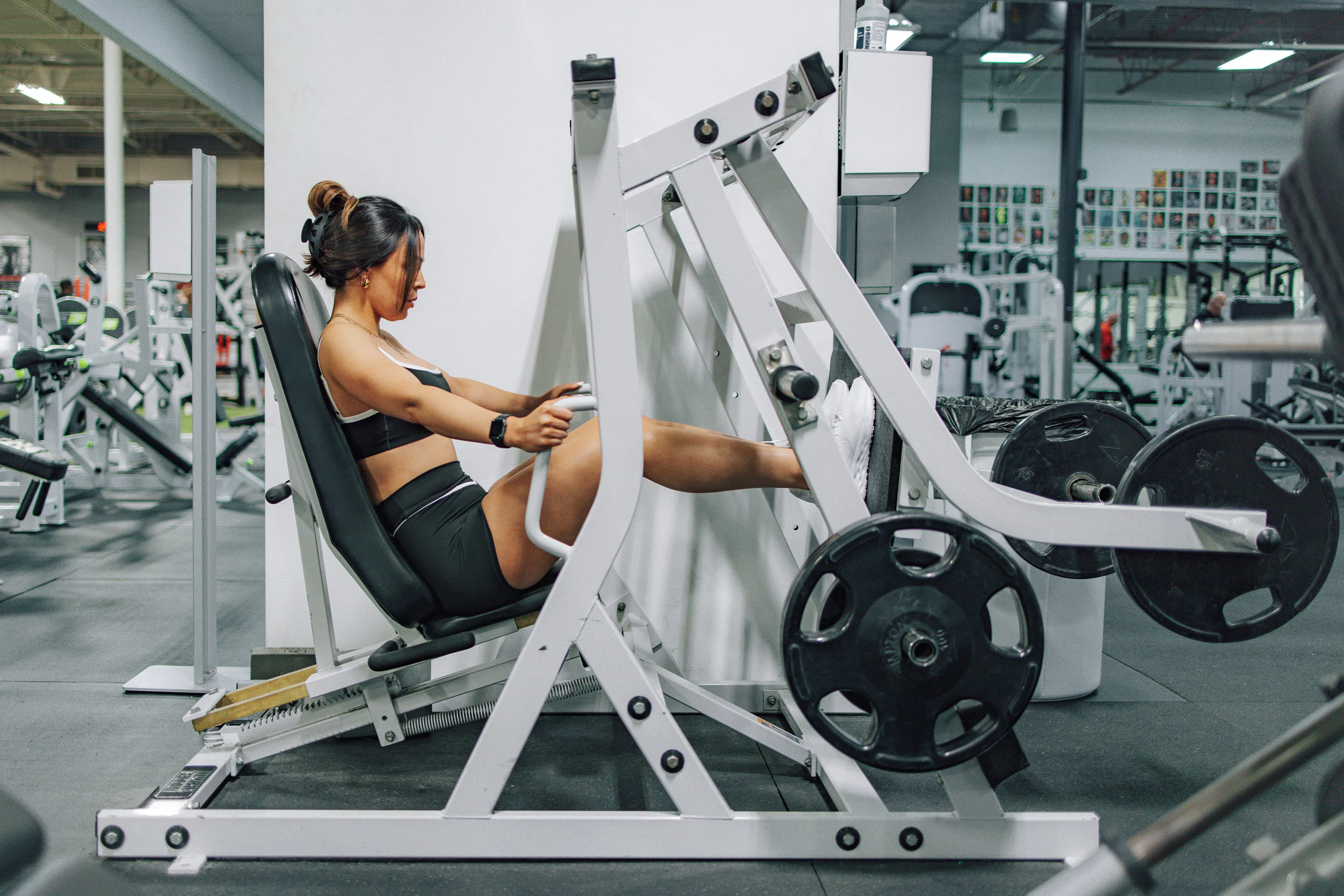
- Resistance training: 3–5 sessions per week. Full-body or upper/lower split. Focus on compound movements: squats, deadlifts, rows, pressing patterns.
- Progressive overload. Add weight, reps, or volume week over week. The muscle preservation signal requires a progressively increasing mechanical stimulus.
- Protein intake: 1.6–2.2g per kilogram of bodyweight daily. This is a hard requirement. GLP-1s suppress appetite — track protein intake deliberately. Do not assume you are hitting your target.
- Cardio: 2–3 sessions per week, low-to-moderate intensity. Zone 2 walking, cycling, or swimming. Cardio augments fat loss but should not crowd out resistance sessions.
What to avoid:
- High-volume cardio without resistance training — this accelerates lean mass loss
- Skipping protein due to nausea — use protein shakes to hit targets if solid food is difficult
- Using the scale as your sole metric — track body composition, not just body weight
Goal 2: Lean Mass and Recovery on GH Secretagogues
If you are on CJC-1295/Ipamorelin or a similar stack and your goal is body composition improvement with enhanced recovery:
- Resistance training: 4–5 sessions per week. Moderate-to-high volume. Hypertrophy-focused rep ranges (8–15 reps per set).
- Sleep: 7–9 hours nightly. Growth hormone release is highest during deep slow-wave sleep. Your nighttime dose is doing critical work during this window. Cutting sleep cuts results.
- Post-workout nutrition within 60 minutes. A protein and carbohydrate meal post-training supports muscle protein synthesis. GH pulse from exercise has passed by this point, so eating will not blunt your GH secretagogue response if you dose at bedtime.
- Monitor recovery signals. Most patients begin to notice sleep quality improvements in the first 1–2 weeks. Body composition changes typically become measurable at 6–8 weeks. Muscle mass improvements follow at 8–12 weeks with consistent training.
Cycle awareness: GH secretagogues work best in cycles — typically 8–12 weeks on, followed by a washout period. This prevents receptor desensitization. A "5 on, 2 off" weekly pattern (skip weekends) is used by some protocols to protect long-term responsiveness.
Goal 3: Injury Recovery and Return to Training
If tissue repair peptides are part of your protocol and you are managing a musculoskeletal injury:
- Do not train through acute pain. Peptides do not override the body's need for rest during the inflammatory phase of healing.
- Active recovery works. Low-load movement, physical therapy exercises, swimming, and mobility work maintain blood flow and tissue remodeling signals without adding re-injury risk.
- Return to loading progressively. As symptoms resolve, reintroduce load gradually. Tissue repair peptides in preclinical models have shown support for tendon and ligament healing and angiogenesis. The remodeling process requires some mechanical stimulus to direct scar tissue alignment.
- Work with your clinician on load thresholds. Return-to-training timelines should be clinically guided, not self-directed.
Exercise Peptide Therapy Protocol: A Week-by-Week Framework
Weeks 1–4: Adaptation Phase
The first month is about building habits, not maximizing output.
- Establish consistent sleep timing (especially if on GH secretagogues)
- Start resistance training at 2–3 sessions per week, moderate intensity
- Calibrate protein intake and hydration
- Log side effects and energy levels to identify patterns
- Do not add high-volume cardio yet — recovery capacity needs to build
Weeks 5–8: Build Phase
By week five, most patients on GH secretagogues report sleep quality improvements and modest energy gains. GLP-1 patients are typically past peak nausea.
- Increase training frequency to 3–5 sessions per week
- Begin progressive overload — add weight or volume each week
- Introduce structured cardio: 2–3 sessions of Zone 2 work
- Monitor body composition changes — this is when results begin to become measurable
Weeks 9–12+: Optimization Phase
This is when compound results accumulate — fat loss, lean mass improvement, and strength gains all become visible simultaneously.
- Adjust training based on how your body has responded
- Review labs with your clinician (IGF-1, body composition markers, metabolic panel)
- Reassess peptide protocol — dosing adjustments, cycle timing, or rotation
- Set performance targets for the next cycle
Peptide therapy, done properly.
Personalized treatment recommendations based on your labs—not trends. Work with experienced clinicians to develop a peptide protocol that fits your biology.

Key Lifestyle Factors That Determine Protocol Outcomes

Training and peptide timing matter. But these factors often determine whether your protocol performs at 60% or 100%:
Sleep quality. Not just duration — quality. GH secretagogues amplify nocturnal GH pulses during deep sleep. Poor sleep hygiene can undercut the entire GH peptide strategy. Limit screens after 9pm. Keep the room cool and dark.
Stress and cortisol. Chronic stress elevates cortisol, which directly suppresses GH release and accelerates muscle breakdown. Managing stress load — through workload boundaries, recovery days, or other practices — is part of the protocol.
Blood glucose stability. Insulin suppresses GH release. Meals high in refined carbohydrates before a GH secretagogue dose will blunt the pulse. Stabilizing blood glucose through diet reduces interference with your peptide window.
Hydration. Especially critical for GLP-1 patients. Reduced appetite from GLP-1 therapy can reduce thirst signals alongside food intake. Consciously drink 3–4 liters of water daily.
What to Track (and When to Adjust)
Your results — or lack of them — tell you something. Know what to look for:
Sluggish progress after 8 weeks often points to one of three issues: inadequate training stimulus, insufficient protein intake, or a peptide dosing adjustment needed. Your clinician should evaluate all three together — not in isolation.
Working With a Metabolic Clinician: Why the Protocol Needs Clinical Oversight
The difference between a generic peptide protocol and one that works comes down to personalization.
Lab values — IGF-1, fasting glucose, insulin sensitivity, body composition panels — tell your clinician how your biology is actually responding to therapy. Exercise intensity, peptide dosing, and cycle timing all need to be adjusted based on those results.
At Meto, metabolic clinicians do not prescribe peptides in isolation. They evaluate your full hormonal and metabolic picture — including how your body composition is changing, how your lab markers are shifting, and whether your current exercise load is supporting or undermining your protocol.
If you are on a prescription weight loss program and not integrating structured training, you are leaving a significant portion of your results behind. If you are using GH secretagogues without clinical monitoring of IGF-1 and body composition, you are guessing at a protocol that requires precision.
The goal is an integrated plan — where your peptide therapy, training schedule, nutrition, and labs are all speaking to each other.
Conclusion
An exercise peptide therapy protocol built on guesswork rarely delivers the results patients expect.
The biology is clear: peptides create the hormonal and cellular environment for change. Exercise provides the stimulus that tells your body what the change should look like. Timing, training type, and lifestyle factors determine how much of the protocol's potential you capture.
Start with resistance training as the foundation. Align your peptide timing to your body's natural hormonal rhythms. Monitor labs. Adjust based on results — not assumptions.
If you have not yet built an integrated exercise and peptide plan with a clinician, that is the next step. The protocol works best when every variable is accounted for.
Design your integrated exercise + peptide protocol with a Meto clinician →
Frequently Asked Questions
Can I exercise while on peptide therapy?
Yes — and you should. Exercise is not optional for most peptide protocols; it is a core component. Resistance training in particular amplifies the effects of growth hormone secretagogues and protects lean mass during GLP-1-driven weight loss. The specific type, frequency, and intensity should be calibrated to your peptide class and goals.
What type of exercise is best for patients on semaglutide or tirzepatide?
Resistance training three to five times per week is the primary recommendation. Research consistently shows that GLP-1 users who perform structured resistance training preserve significantly more lean mass than those who rely on cardio alone, with some patients gaining lean mass while losing substantial total body weight. Add Zone 2 cardio two to three times weekly for metabolic and cardiovascular benefit.
When should I take my peptide dose relative to my workout?
For GH secretagogues like CJC-1295 and ipamorelin, the most impactful timing is pre-bed, fasted. A secondary dose can be administered fasted in the morning if you train early. Avoid injecting right after a high-carbohydrate meal, as elevated insulin blunts GH release. For GLP-1 medications, relative timing to exercise does not significantly affect efficacy, but injecting on a rest day minimizes nausea interference with training sessions.
How long before I see results from combining training with peptide therapy?
Sleep quality improvements from GH secretagogues often appear within one to two weeks. Body composition changes typically become measurable at six to eight weeks. Strength gains and more significant lean mass improvements follow at eight to twelve weeks with consistent progressive overload. Expect a 3-month horizon for full evaluation — results are cumulative, not immediate.
Do I need to change my diet to support a combined exercise and peptide protocol?
Protein intake is the most critical dietary variable. A target of 1.6–2.2g of protein per kilogram of bodyweight daily is supported by evidence for muscle preservation during weight loss, especially on GLP-1 therapy where appetite suppression can inadvertently reduce protein intake. Blood glucose stability also matters for GH secretagogue timing — minimize high-glycemic meals within two to three hours of your peptide dose.
Should I stop exercising if I feel fatigued during the first few weeks of peptide therapy?
Not necessarily. Early-phase fatigue is common during metabolic adaptation, particularly with GLP-1 therapy. Reduce intensity if needed, but do not eliminate training. Dropping to two resistance sessions per week during the adaptation phase is reasonable — and better than stopping entirely, which allows lean mass loss to accelerate unchecked. Discuss persistent fatigue with your clinician, as it may signal a need for dosing or timing adjustment.
Recommended For You

Hexarelin: The Cardioprotective Growth Hormone Peptide That Mainstream Providers Overlook
Hexarelin is the only GHRP with a dual cardioprotective mechanism via CD36 receptors. This deep dive covers the science, protocols, comparisons, and who benefits from this overlooked peptide.

Peptide Therapy and Cancer: Addressing the Risks, the Evidence, and What Patients Should Know Before Starting
Peptide therapy cancer risk evidence is nuanced — and most telehealth platforms skip the conversation entirely. This article breaks down what the research shows for GLP-1s, GH secretagogues, and BPC-157, who carries elevated risk, and the screening every patient should complete before starting a protocol.
FDA Peptide Decision 2026: The Final Vote on BPC-157, TB-500, MOTS-c and More — What It Means for You
Across July 23–24, 2026, the FDA's advisory committee recommended six peptides for legal compounding — BPC-157, KPV, TB-500, MOTS-c, epitalon, and Semax — and rejected one, emideltide (DSIP). Here's the complete scorecard, what it means, what it doesn't, and what to do next.