FDA Advisory Committee Votes to Ease Peptide Restrictions: What the July 2026 Vote on BPC-157, KPV, TB-500, and MOTS-c Actually Means
By Dr. Jossy Onwude, MD
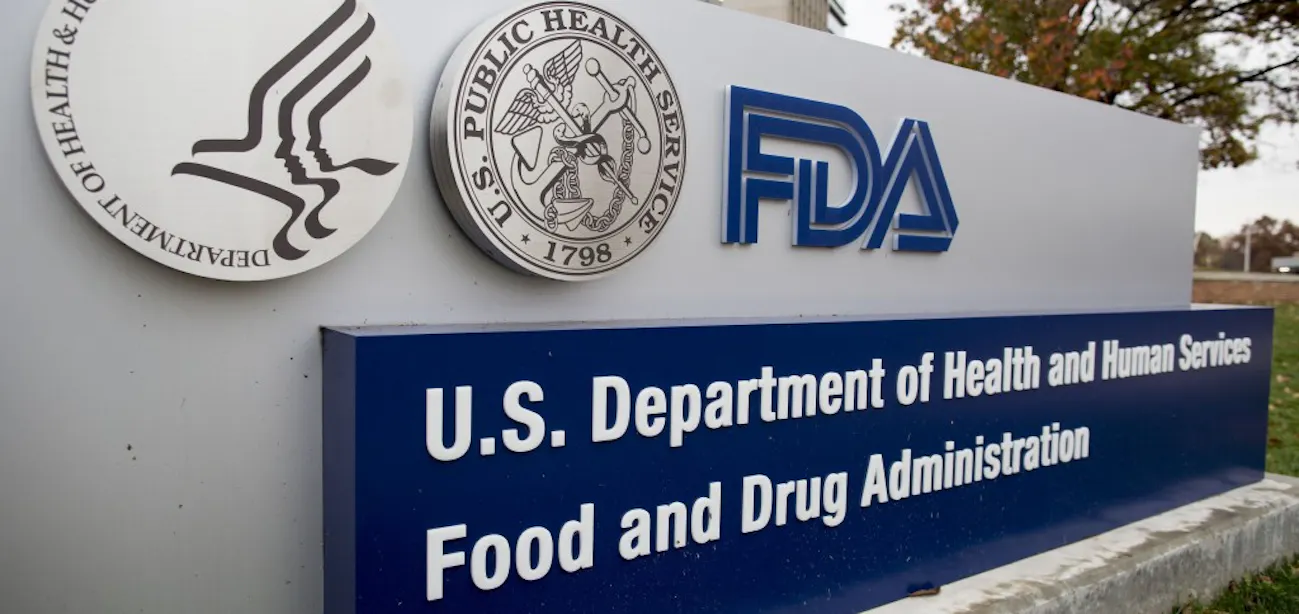
On July 23, 2026, an FDA advisory committee voted to recommend easing restrictions on four widely used peptides. The FDA peptide vote covered BPC-157, KPV, TB-500, and MOTS-c. Every vote passed. Every vote was close. And none of them made these peptides FDA-approved drugs.
That last point is where most of the coverage gets it wrong. If you searched for "FDA approves peptides" today and landed here, read the next section carefully before you change anything about your health.
What happened, in one paragraph
The FDA's Pharmacy Compounding Advisory Committee (PCAC) met and voted to recommend that four peptides be added to the 503A Bulk Drug Substances List. That list defines which raw substances licensed compounding pharmacies are permitted to prepare against a doctor's prescription. The committee voted in favor of all four. The margins were narrow — 8 to 6 with one abstention on the lead compounds. The recommendation is advisory. It is not binding. The FDA itself will decide later whether to act on it, through a formal rulemaking process that typically takes six to twelve months.
So: a door opened. It is not yet open. Nothing is legal to compound today that was not legal yesterday.
This story is still developing — the voting is not finished
Last updated: July 23, 2026
The July 23 votes covered four of seven peptides. The advisory committee reconvened on July 24 to review the remaining three: emideltide (also called DSIP), Semax, and Epitalon. Those votes were still in progress at the time of publication.
We are publishing the Day 1 results now because the confusion around what these votes mean is already spreading faster than the facts. But we want to be explicit about the limits of what is currently known:
- The Day 2 outcomes are not yet confirmed. Emideltide, Semax, and Epitalon carry thinner clinical evidence than the Day 1 compounds, and a different result on any or all of them is entirely plausible. We are not predicting outcomes.
- Per-compound vote tallies are still being reported. The 8-to-6 split with one abstention is confirmed for the lead compounds. Exact counts on each of the four are still being finalized in official meeting records.
- No FDA decision has been made on anything. Even the completed Day 1 votes are recommendations. The agency has not acted on them.
We will update this article with the Day 2 results as soon as they are confirmed, and we will give them the same treatment as the Day 1 votes: what was actually decided, what it does not mean, and what it changes for patients. If you want that update when it lands, subscribe to the Meto Dispatch.
Until then, treat any source claiming a final outcome on all seven peptides with skepticism. The process is not finished.

No, these peptides are not FDA-approved — here is what the vote actually does
An FDA approval and a 503A listing are different things. Conflating them is the single most common error in peptide coverage, and it has real consequences for patients who act on the headline.
An FDA-approved drug has cleared large clinical trials proving safety and effectiveness for a specific use. Semaglutide is FDA-approved. Tesamorelin is FDA-approved. These went through the full process.
A 503A bulk listing is narrower. It does not certify that a substance works. It permits a compounding pharmacy to make it for an individual patient when a licensed clinician prescribes it. Compounding pharmacies are overseen largely by state pharmacy boards, not by the same manufacturing oversight that applies to approved drugs.
The July 23 vote was about the second thing, not the first. Even a unanimous recommendation would not have made BPC-157 an approved drug. It would only start the process that could eventually let compounding pharmacies prepare it legally.
There is one more nuance worth understanding. The nominations were tied to specific medical conditions — BPC-157 for ulcerative colitis, for example. But if the FDA ultimately reclassifies these compounds, clinicians would have discretion to prescribe them outside those narrow indications. That gap between what was studied and what may eventually be prescribed is exactly where patients need to stay alert.
For the fuller regulatory backstory, our earlier breakdown of what the PCAC review means for BPC-157, TB-500, and Thymosin Alpha-1 laid out the timeline before the vote. This article covers what actually happened.
The four peptides and what each was voted on
Each peptide was nominated for a particular use. Here is what the committee considered, and why each matters.
BPC-157 — nominated for ulcerative colitis
BPC-157 is the most widely used peptide on the list and the one driving most of the attention. In the wellness market it is marketed broadly for gut healing, tendon repair, and injury recovery. The nomination the committee actually voted on was narrower: BPC-157 for ulcerative colitis, a specific inflammatory bowel condition.
The evidence gap here is significant. Most published BPC-157 research is preclinical — rodent models, cell studies — with limited controlled human data. The committee recommended it anyway, 8 to 6 with one abstention. Our BPC-157 evidence review separates the mechanism from the marketing.
KPV — nominated for wound treatment and inflammatory conditions
KPV is a short tripeptide fragment derived from a larger hormone. It has been studied for anti-inflammatory and wound-healing applications. It cleared the committee on the same split as BPC-157.
TB-500 — nominated for tissue repair
TB-500 is a synthetic fragment associated with thymosin beta-4, used in wellness circles for recovery and soft-tissue repair. Its controlled human data is thinner than its popularity suggests, though it has a long history of compounding use. It, too, received a favorable recommendation.
TB-500 also appears in combination protocols — it is one component of stacks that have gained traction among patients on GLP-1 therapy. If you are evaluating combinations, our guide on what peptide stacks the science actually supports is the honest version of that conversation.
MOTS-c — nominated for metabolic and bone health
For a metabolic health audience, MOTS-c is the most relevant compound on the July 23 docket. It is a mitochondrial-derived peptide studied for effects on insulin sensitivity, metabolic regulation, and bone density. The purported use cases center on obesity and osteoporosis. It also received a favorable recommendation from the committee.
MOTS-c sits at the intersection of mitochondrial biology and metabolic function, which is precisely why it draws interest — and precisely why the evidence bar matters. Mechanistic promise is not the same as proven clinical benefit. The human trial base remains early.
Why this vote was controversial
The votes passed, but they did not pass cleanly. Three things make this meeting unusual, and all three affect how much weight the recommendation ultimately carries.
FDA's own scientists recommended against it. Ahead of the meeting, the agency's career reviewers applied their standard four-factor framework and concluded that none of the seven peptides under review should be added to the list. They cited insufficient evidence of effectiveness and unresolved safety questions. The advisory committee then voted the other way. The FDA usually sides with its advisory committees, but it is not obligated to — and here its staff and its panel disagreed openly.
The committee's composition drew scrutiny. The panel was expanded shortly before the meeting. Reporting noted that several newly added members had ties to prescribing or promoting peptides, and additional temporary members were seated the same week. On the lead compounds, the newly appointed members voted as a bloc in favor. Whatever one concludes from that, it is material context when weighing how durable this recommendation is.
The FDA could not agree on what these peptides even are. The most revealing moment came when an FDA official asked the panel a blunt question: "What is BPC-157?" There is no universally accepted chemical characterization for several of these compounds. Reviewers have encountered products sold under the same name that contained different molecules. For a patient, this is not an academic problem. A compounding pathway only protects you if the pharmacy can verify what it is actually dispensing.
What happens next — and why "next" is measured in months
A PCAC recommendation is one step in a longer chain. Here is the realistic sequence.
The FDA reviews the recommendation. If it agrees, it must open a formal rulemaking process to amend the 503A list. That process includes public comment and typically runs six to twelve months, sometimes longer. Only after a final rule takes effect can compounding pharmacies legally prepare these peptides from bulk.
It is worth knowing what a negative vote would have meant, because it reframes the stakes. All seven peptides had already come off the FDA's Category 2 "may not be compounded" list in April 2026. That earlier reclassification is what set up this review. So the July vote was never a re-ban risk. It was an upside vote — the question was whether a new legal channel opens, not whether the current situation gets worse. We covered that shift when it happened, in 14 peptides poised to become legal again.
And as noted above, the process is not even complete at the committee stage. Three more peptides went before the panel on Day 2. Until those votes close and the FDA responds to the full set of recommendations, the regulatory picture for compounded peptides remains unsettled.
Peptide therapy, done properly.
Personalized treatment recommendations based on your labs—not trends. Work with experienced clinicians to develop a peptide protocol that fits your biology.

What this actually means for you

If you use, or are considering, any of these four peptides, here is the practical read.
Nothing changed for your access today. The legal compounding pathway is not open yet. It may open in six to twelve months for some of these compounds, or it may not. Any vendor claiming these peptides are "now FDA-approved" or "now legal" is misinforming you.
The characterization problem is your problem too. The same question the FDA struggled with — what is actually in the vial — is the question that determines your safety. Research-use-only products sold online carry no guarantee of identity, purity, or sterility. That risk does not disappear because a committee voted favorably. If anything, the vote is an argument for eventually sourcing through regulated pharmacies rather than the grey market — once, and if, that channel is legally available.
Evidence quality still varies enormously between these compounds. A favorable committee vote does not equalize the science. Some peptides on this list have meaningful human data. Others rest almost entirely on animal studies. Treating them as interchangeable because they shared a docket is a mistake. Our audit of which peptides have real human evidence is the framework we would use.
If you are going to pursue peptide therapy, start with your numbers — not with a vial. The responsible sequence is baseline labs, a clinician who can read them, then a protocol built around your actual metabolic and hormonal picture. That order screens for the contraindications that make certain peptides unsafe for certain people. It is the opposite of copying a protocol off a forum. Our complete starter guide walks through the whole sequence, and a full metabolic panel is where it begins.
And if you are choosing a provider, the clinic's willingness to test, monitor, and say "not for you" matters more than its peptide menu. We break that down in our peptide therapy provider comparison.
Frequently asked questions
Did the FDA approve BPC-157? No. The FDA did not approve BPC-157. An FDA advisory committee voted to recommend adding it to the 503A compounding list for ulcerative colitis. That is a recommendation about compounding eligibility, not a drug approval, and it is not binding on the FDA.
Are these peptides legal to compound now? Not yet. The vote was advisory. The FDA must still decide whether to open formal rulemaking, which typically takes six to twelve months before any change takes effect.
Which peptides passed on July 23, 2026? The committee voted in favor of BPC-157, KPV, TB-500, and MOTS-c. The lead compounds passed 8 to 6 with one abstention.
Why did FDA scientists oppose the vote? The agency's career reviewers cited insufficient evidence of effectiveness, unresolved safety questions, and the difficulty of chemically characterizing several of the peptides consistently.
What is the difference between an FDA approval and a 503A listing? An FDA approval means a drug passed large trials proving it is safe and effective for a specific use. A 503A listing only permits compounding pharmacies to prepare a substance for individual patients under prescription. It does not certify that the substance works.
Has the committee finished voting on all seven peptides? Not as of publication. The July 23 session covered four peptides. Emideltide (DSIP), Semax, and Epitalon went before the committee on July 24, and those results were still pending. This article will be updated when they are confirmed.
Should I buy these peptides online now? Buying research-use-only peptides online remains high-risk. Those products are not verified for identity, purity, or sterility, and the recent vote does not change that. If a legal compounding pathway opens, a licensed pharmacy is the safer route.
Medical disclaimer: This article is for educational purposes only and does not constitute medical advice, diagnosis, or treatment. Regulatory status of these peptides is evolving. Consult a licensed clinician before starting any peptide therapy or changing an existing treatment plan. Meto offers only peptide therapies that are legally available through properly licensed compounding pharmacies.
Ready to build a protocol on evidence instead of headlines? Take the Meto metabolic assessment to get started with physician-led care.
Recommended For You
FDA Peptide Decision 2026: The Final Vote on BPC-157, TB-500, MOTS-c and More — What It Means for You
Across July 23–24, 2026, the FDA's advisory committee recommended six peptides for legal compounding — BPC-157, KPV, TB-500, MOTS-c, epitalon, and Semax — and rejected one, emideltide (DSIP). Here's the complete scorecard, what it means, what it doesn't, and what to do next.

GLP-1 and Fertility: Emerging Evidence for Women With Obesity, Insulin Resistance, and PMOS
GLP-1 fertility research in women with PMOS and insulin resistance shows consistent improvements in ovulation, menstrual regularity, and androgen levels. This deep dive covers the clinical evidence, mechanisms, who benefits most, and how to approach a PMOS fertility metabolic plan.

Ipamorelin: The Standalone Guide to the Most Selective Growth Hormone Peptide
Ipamorelin is the most selective growth hormone secretagogue available. This ipamorelin standalone guide covers its mechanism, fat loss and sleep benefits, clinical dosage protocols, side effect profile, and how it compares to GHRP-2 and GHRP-6.