Peptide Therapy and Wearables: How to Track Your Metabolic Response Beyond the Scale
By Dr. Jossy Onwude, MD

Peptide therapy wearable tracking metabolic response is one of the fastest-evolving areas of personalised health optimisation. If you are on a peptide protocol — GH secretagogues, GLP-1 peptides, BPC-157, or tesamorelin — the scale is the worst instrument you could use to measure results. It captures one variable: mass. It misses fat oxidation rates, glucose stability, sleep quality, recovery velocity, and autonomic nervous system function. All of those shift before the scale does.
Continuous glucose monitors, heart rate variability trackers, sleep rings, and smart wearables now give you a real-time metabolic window that clinicians can interpret alongside your labs. This article explains exactly which devices capture which signals, how to match them to your peptide protocol, and how to use that data to accelerate and validate your results.
Why the Scale Fails Peptide Therapy Patients
The scale measures total body mass — nothing more. Peptide therapy, particularly growth hormone secretagogue protocols, is explicitly designed to shift body composition: reduce visceral fat, increase lean muscle, and improve metabolic efficiency. These changes can occur simultaneously. In the first eight to twelve weeks of a CJC-1295/ipamorelin protocol, it is common to lose three to four kilograms of fat while gaining one to two kilograms of lean tissue. The scale may barely move. A patient tracking weight alone will conclude the therapy is not working.
This is not a theoretical concern. A 2020 study published in Obesity Reviews found that patients who tracked body composition metrics rather than weight alone reported significantly higher adherence to therapeutic protocols and more accurate perception of treatment efficacy.1 The mechanism is simple: positive feedback from the right signals keeps patients on protocol. The wrong feedback creates drop-off.
Wearables close this gap. They are not a replacement for clinical labs — they are a continuous, real-world layer of data between your quarterly blood draws.
The Four Metabolic Signals Wearables Capture During Peptide Therapy
Wearable tracking for peptide therapy is most useful when you focus on four discrete signals.
1. Glucose Dynamics via Continuous Glucose Monitor (CGM)
This is the highest-signal metric for most metabolic peptide protocols. A CGM clips to your upper arm or abdomen and samples interstitial glucose every one to five minutes, giving you a full 24-hour glucose curve.
Why it matters for peptides:
- GLP-1 receptor agonist peptides directly reduce postprandial glucose spikes.2 A CGM shows you whether your dose is working.
- Tesamorelin, which lowers visceral adiposity, predictably improves fasting glucose over 8–12 weeks.3 A CGM catches this earlier than an HbA1c.
- Growth hormone secretagogues can transiently elevate fasting glucose in some patients, particularly at higher doses.4 A CGM flags this before it becomes a clinical problem.
- MOTS-c and mitochondrial peptides enhance GLUT4 glucose transporter activity and improve insulin-stimulated glucose uptake — changes that appear as reduced glucose variability on a CGM before they appear on lab panels.5
What to track: Time in Range (TIR) — the percentage of readings between 70 and 140 mg/dL. In metabolically healthy adults, TIR should exceed 90%. Watch it trend upward as your protocol takes hold. Aim also to reduce your glucose variability coefficient (CV%), ideally below 36%.
Recommended devices: Dexterity G7, Libre 3, Stelo (OTC, no prescription needed). The Oura ring does not measure glucose — pair it with a dedicated CGM.
2. Heart Rate Variability (HRV) as a Recovery and Nervous System Proxy
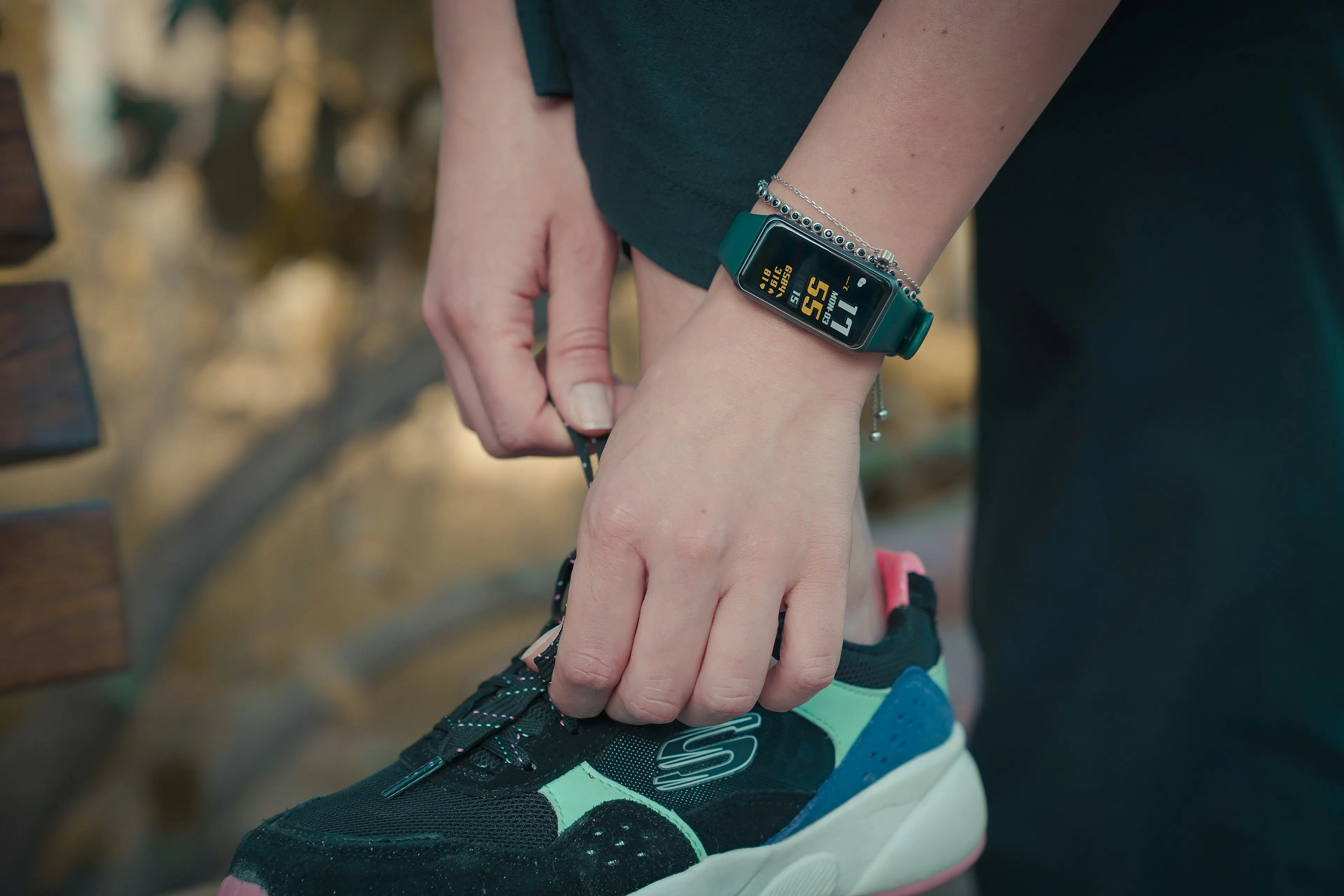
HRV — the millisecond variation between consecutive heartbeats — is the most sensitive noninvasive marker of autonomic nervous system function available to consumers. Higher HRV reflects greater parasympathetic tone: better recovery, lower systemic stress load, and improved metabolic resilience.
Why HRV peptide therapy pairing is clinically relevant:
- BPC-157 has demonstrated vagotonic (parasympathetic-enhancing) effects in animal models, partly explaining its accelerated recovery and gut-healing properties.6
- Sleep peptides, including DSIP (delta sleep-inducing peptide), are associated with improvements in slow-wave sleep architecture, which directly elevates morning HRV.7
- Sermorelin and ipamorelin increase endogenous growth hormone pulses during sleep. Higher nocturnal GH correlates with deeper restorative sleep, which is reflected as elevated HRV on the following morning.8
- Systemic inflammation suppresses HRV. As peptides reduce inflammatory markers (IL-6, CRP), HRV typically climbs over four to eight weeks.
What to track: Your 7-day rolling HRV average is more reliable than single-day readings. Downward trends of more than 10–15% sustained across five or more days warrant clinical review — they can signal overtraining, inadequate sleep, or a suboptimal peptide dose. An upward trend without significant lifestyle change is a signal your protocol is working.
Recommended devices: Oura Ring Gen 4, WHOOP 4.0, Garmin Forerunner 955, Apple Watch Series 9 (overnight HRV). WHOOP and Oura are considered the gold standard for overnight biometric continuity.
3. Sleep Architecture
Peptide therapy and sleep have a bidirectional relationship. Growth hormone is secreted in pulses primarily during slow-wave sleep (SWS). Peptides like sermorelin, CJC-1295/ipamorelin, and GHRP-6 work by amplifying these pulses. If your sleep is fragmented or SWS is suppressed — common in patients with high cortisol, insulin resistance, or metabolic syndrome — the peptide has less biological substrate to work with.
Wearables now estimate sleep stages using a combination of heart rate, HRV, movement (accelerometry), and skin temperature. They are not polysomnography, but they are directionally accurate enough to identify trends.
What to monitor during a GH secretagogue protocol:
- Total sleep time: Should be ≥7 hours. Below this, GH pulsatility is impaired regardless of peptide dosing.9
- Deep/SWS estimate: Look for a trend upward as the protocol progresses. This is a direct proxy for GH release opportunity.
- Sleep onset latency: Peptides including DSIP and selank may reduce time to sleep onset. A progressive shortening is a positive signal.
- Resting heart rate (RHR) during sleep: Downward drift in RHR over weeks typically indicates improving autonomic balance and reduced metabolic stress.
Recommended devices: Oura Ring (best sleep tracking resolution for a non-clinical device), WHOOP 4.0, Garmin watches with Body Battery. The Oura-CGM pairing is the single most powerful consumer-level metabolic monitoring stack.
4. Continuous Body Temperature (Circadian and Inflammatory Tracking)
Skin temperature measured nightly by devices like the Oura Ring gives you two things: circadian rhythm coherence and an early-warning inflammatory signal.
- A regular, consistent temperature nadir (the nightly low point) around 3–4 AM reflects a well-entrained circadian rhythm, which is prerequisite for optimal GH secretion.
- A sudden rise in nighttime temperature (typically >0.4°C above baseline) can flag acute immune activation, illness, or overtraining — all contexts where peptide dosing decisions may need clinical review.
- Tesamorelin protocols in patients with lipodystrophy have shown measurable changes in peripheral temperature distribution as visceral fat declines and circulation improves.10
Peptide-by-Peptide Wearable Tracking Priorities
Different peptides produce different primary metabolic effects. Match your wearable focus to your protocol.
How to Build a Peptide Therapy Wearable Tracking Stack
You do not need every device on this list. Here is a tiered approach based on budget and protocol complexity.
Tier 1 — Essential (Any Peptide Protocol)
- CGM — Libre 3 or Dexterity G7. Wear continuously for at least the first 90 days of any metabolic peptide protocol.
- Sleep + HRV tracker — Oura Ring Gen 4. Wear every night. Establish a 2-week baseline before starting your peptide protocol.
Total investment: approximately $200–$400 plus $10–$15/month CGM subscription.
Tier 2 — Advanced (GH Secretagogues, Body Composition Goals)
Add to Tier 1:
- DEXA scan — every 12 weeks. Not a wearable, but the only accurate way to track fat mass vs. lean mass change. Most major cities have DEXA access at $50–$75 per scan.
- WHOOP 4.0 — for strain tracking and recovery scoring if you train alongside your protocol.
Tier 3 — Clinical-Grade Integration (Supervised Protocol)
Add to Tier 2:
- InBody or similar bioelectrical impedance analysis (BIA) — at clinic visits. Tracks segmental body composition changes.
- Lab integration — quarterly IGF-1, fasting insulin, HOMA-IR, HbA1c, CRP. These are the ground truth against which wearable trends are validated.
Your wearable data is most powerful when a clinician reviews it alongside your labs. A rising HRV trend paired with declining fasting glucose and improved IGF-1 is a complete picture of metabolic improvement. No single data point tells that story.
Interpreting Your Data: Five Patterns That Signal Progress

When you are on a peptide therapy protocol with wearable tracking in place, these five patterns — seen together over 4–12 weeks — indicate a genuine metabolic response.
- Fasting glucose trend declining — from baseline (typically 90–100 mg/dL) toward the mid-80s. This reflects improved insulin sensitivity and reduced hepatic glucose output.
- Time in Range (TIR) increasing — particularly the reduction in postprandial spikes above 140 mg/dL. Meals that once triggered a 160–170 mg/dL spike begin peaking at 120–130 mg/dL.
- 7-day HRV average trending upward — particularly if your baseline HRV was suppressed (below 40 ms for most adults). A 10–20% improvement over 8 weeks without major lifestyle change is meaningful.
- Resting heart rate declining slowly — 1–3 bpm reduction over 12 weeks is a normal cardiovascular adaptation as metabolic efficiency improves.
- Sleep score and estimated deep sleep improving — especially relevant on GH secretagogue protocols. Even a 10–15 minute increase in estimated SWS per night is clinically meaningful for GH pulsatility.
Red Flags Worth Bringing to Your Clinician
Wearables also function as an early-warning system. These patterns warrant a clinical conversation, not independent protocol adjustment.
- HRV declining over more than 7 consecutive days without clear lifestyle explanation (illness, travel, high training load).
- Fasting glucose rising on CGM — particularly above 100 mg/dL on a growth hormone secretagogue protocol. GH can induce transient insulin resistance in some patients; this is dose-dependent and manageable but requires clinical oversight.11
- Sleep architecture fragmenting — shorter deep sleep estimates, more awakenings, elevated resting heart rate during sleep.
- Persistent nighttime temperature elevation — more than five consecutive nights above your established baseline may indicate an immune or inflammatory trigger.
This is not a list for self-diagnosis. It is a list for proactive clinical communication. Bring your wearable data to your appointment — or share it asynchronously with your care team through a platform that supports data-informed monitoring.
The Oura Ring and CGM: The Closest Thing to a Consumer Metabolic Dashboard
The pairing of an Oura Ring with a CGM (most practically, the Libre 3 or Stelo) is the most practical consumer-level metabolic monitoring stack for peptide therapy patients. Here is what each contributes:
Oura Ring:
- Nightly HRV (RMSSD, 5-minute intervals during sleep)
- Estimated sleep stages (light, REM, deep)
- Nightly skin temperature deviation from personal baseline
- Resting heart rate
- Readiness score (composite of HRV, RHR, sleep, and temperature)
CGM (Libre 3 / Stelo):
- Real-time glucose readings every minute
- Time in Range calculation
- Postprandial response curves
- Fasting glucose trend over weeks
Together, they give you an autonomic + glycaemic picture that is actionable alongside labs. Research published in npj Digital Medicine demonstrated that combining HRV and CGM data significantly improved the prediction of insulin resistance phenotypes compared to either metric alone.12
If you wear one device, choose the CGM. Glucose is the most direct readout of metabolic function and the signal most directly modified by the majority of metabolic peptide protocols.
What Wearables Cannot Tell You
This deserves its own section.
Wearables do not measure:
- IGF-1 levels (requires blood draw — the primary efficacy marker for GH secretagogue protocols)
- Visceral adipose tissue (requires DEXA or CT imaging)
- Liver enzymes, kidney function, or inflammatory cytokines
- Peptide serum concentration or pharmacokinetic behaviour
- Hormonal axes (LH, FSH, testosterone, cortisol)
The data is directional and probabilistic, not diagnostic. A consistently low HRV on a WHOOP is not a diagnosis. It is a signal to bring to a clinician who can order the right labs and interpret them in context.
Peptide therapy requires clinical oversight. The wearable is a powerful adjunct — not a replacement for a physician who understands metabolic and hormonal health at a systems level.
Conclusion
Peptide therapy is a precision intervention. It deserves precision monitoring. The scale is not precision monitoring.
A CGM tells you whether your glucose is stabilising. An Oura Ring tells you whether your autonomic nervous system is recovering. A DEXA tells you whether your body composition is shifting. Together, alongside quarterly labs reviewed by a clinician, they give you a complete picture of what the peptides are doing — and what they are not.
The patients who get the best results from peptide therapy are not the ones who wait 12 weeks and check the scale. They are the ones who treat their body like a system: monitoring multiple signals, adjusting inputs based on real data, and working with a clinician who can interpret everything in context.
Meto combines clinical oversight with data-driven monitoring for every patient. If you are considering a peptide protocol or want your current one properly evaluated alongside your biometric data, get started with a clinical assessment today.
Frequently Asked Questions
Can I use wearable data to adjust my peptide dose myself?
No — and this is important. Wearable data is a signal, not a prescription. Changes in HRV, glucose, or sleep scores can reflect many variables beyond your peptide protocol, including sleep debt, stress, illness, and nutrition shifts. Dose adjustments should be made by a clinician who reviews your wearable trends alongside your laboratory results and clinical symptoms. Using biometric data to self-titrate peptides is a common mistake that can undermine an otherwise well-designed protocol.
How long does it take to see wearable changes on a peptide protocol?
The timeline depends on the peptide. CGM changes on GLP-1 peptides can appear within two to four weeks as postprandial glucose spikes reduce. HRV improvements on BPC-157 or sleep peptides are often visible within three to six weeks. Growth hormone secretagogue effects on deep sleep and recovery typically become consistent at weeks six to ten. Establish a two-week baseline before you start therapy so you have a genuine comparison point.
Does the Oura Ring work for HRV peptide therapy monitoring?
Yes — the Oura Ring is one of the best consumer-grade devices for this application. It records HRV in 5-minute windows during the sleep period rather than just a brief morning measurement, giving more complete autonomic data. Its skin temperature sensor adds an additional inflammatory and circadian layer. When paired with a CGM, it provides the most comprehensive non-clinical metabolic monitoring available outside a clinic setting.
Do I need a CGM if I am not diabetic?
Yes, particularly if you are on a metabolic or GH secretagogue peptide protocol. Continuous glucose monitoring reveals insulin resistance patterns — postprandial spikes, fasting glucose trends, and glucose variability — that do not show up on a standard HbA1c until they have been present for three months. Subclinical glucose dysregulation is extremely common in patients seeking peptide therapy, often driving the very fatigue, body composition resistance, and hormonal disruption they are trying to correct. A CGM makes the invisible visible, in real time.
What labs should I order alongside wearable tracking on a peptide protocol?
At a minimum, order a baseline panel before starting that includes IGF-1, fasting insulin, HOMA-IR, HbA1c, comprehensive metabolic panel (CMP), lipid panel, and CRP (high-sensitivity). For GH secretagogue protocols, repeat IGF-1 at 8–12 weeks to confirm therapeutic response. For body composition protocols, add a DEXA scan at baseline and at 12 weeks. Meto's Comprehensive Metabolic Panel includes many of these core markers, reviewed by a clinician with specific metabolic expertise.
Are wearables covered by insurance for peptide therapy patients?
Generally, consumer wearables such as the Oura Ring and WHOOP are not covered by insurance. CGMs are increasingly covered for patients with diagnosed insulin resistance or prediabetes, depending on your plan. Out-of-pocket costs for CGMs run approximately $75–$150/month depending on the brand and whether you use a subscription plan. Given what they reveal about metabolic function, most clinically engaged patients consider them a high-value investment alongside their protocol.
Recommended For You

Hexarelin: The Cardioprotective Growth Hormone Peptide That Mainstream Providers Overlook
Hexarelin is the only GHRP with a dual cardioprotective mechanism via CD36 receptors. This deep dive covers the science, protocols, comparisons, and who benefits from this overlooked peptide.

The Exercise and Peptide Protocol: How to Get Maximum Results Combining Training With Therapy
The right exercise peptide therapy protocol doesn't just complement your treatment — it determines your results. This guide covers training type, peptide timing, week-by-week structure, and clinical considerations for GLP-1s, GH secretagogues, and tissue repair peptides.

Peptide Therapy and Cancer: Addressing the Risks, the Evidence, and What Patients Should Know Before Starting
Peptide therapy cancer risk evidence is nuanced — and most telehealth platforms skip the conversation entirely. This article breaks down what the research shows for GLP-1s, GH secretagogues, and BPC-157, who carries elevated risk, and the screening every patient should complete before starting a protocol.