High A1C But Not Diabetic? Causes, Normal Ranges & What It Means
By Karyn O.

Can Your A1C Be High Without Diabetes?
Yes. A high A1C does not automatically mean you have diabetes.
Hemoglobin A1C (HbA1c) reflects your average blood sugar over the past 2–3 months, but it can be elevated for several reasons even when diabetes is not present — including early insulin resistance, chronic stress, poor sleep, certain medications, recent illness, or biological factors that affect red blood cells.
Normal A1C Ranges
- Normal: below 5.7%
- Elevated/Prediabetes: 5.7–6.4%
- Diabetes: 6.5% or higher (on two separate tests)
An A1C in the elevated range is best viewed as an early metabolic signal, not a diagnosis.
What Is A1C and How Does It Work?
What Hemoglobin A1C Measures
A1C measures the percentage of hemoglobin (the oxygen-carrying protein in red blood cells) that has glucose attached to it — a process called glycation.
Because red blood cells live for about 120 days, A1C reflects long-term glucose exposure, not daily fluctuations.
A1C vs Average Blood Glucose
A1C correlates with estimated average glucose (eAG), but the relationship is not perfect.
Important: Someone can have normal fasting glucose but still experience post-meal spikes that raise A1C.
Normal A1C Ranges Explained
An A1C of 5.7–6.0% often represents early insulin resistance, not irreversible disease.
High A1C vs Prediabetes: Are They the Same Thing?
Not exactly.
Prediabetes is a risk category, not a disease. A1C is one tool used to assess that risk — alongside fasting glucose, oral glucose tolerance testing (OGTT), and clinical context.
Someone may meet the numerical criteria for prediabetes but:
- Have stable A1C over time
- Show good insulin sensitivity
- Improve with lifestyle changes
Conversely, some people with “normal” A1C already show metabolic dysfunction when tested more deeply.
Why A1C Can Be High Without Diabetes
1. Insulin Resistance (Most Common Cause)
Insulin resistance occurs when cells respond poorly to insulin, causing glucose to remain elevated longer after meals — even if fasting glucose looks normal.
This is why A1C often rises before fasting glucose.
2. Chronic Stress and Elevated Cortisol
Stress hormones increase glucose production by the liver and reduce insulin sensitivity.
Long-term psychological stress, inflammation, or overtraining can all raise A1C.
3. Metabolic Syndrome
- Abdominal obesity
- Elevated triglycerides
- Low HDL
- High blood pressure
- Impaired glucose regulation
A1C may rise even before diabetes develops.
4. Sleep Disorders and Circadian Disruption
- Short sleep duration
- Obstructive sleep apnea
- Shift work
All reduce insulin sensitivity and increase glucose variability. (Spiegel K et al.)
5. Medications That Raise A1C
Some medications affect glucose metabolism:
- Corticosteroids
- Certain antidepressants
- Antipsychotics
- Long-term beta-blocker use
Never adjust medications without medical guidance.
6. Recent Illness or Inflammation
7. Lab Variability and Biological Differences
- Normal biological variation
- Differences between laboratories
- Small changes may not be clinically meaningful
Repeat testing is often recommended.
8. Blood Disorders and Hemoglobin Variants
A1C can be misleading in:
- Iron deficiency anemia (falsely high)
- Sickle cell trait
- Thalassemia
- Conditions with altered red blood cell lifespan
How Age, Sex, and Ethnicity Can Affect A1C
- Age: A1C rises slightly with age, independent of glucose
- Sex: Hormonal changes can affect glucose metabolism
- Ethnicity: Some populations show higher A1C at equivalent glucose levels
These differences highlight why A1C should never be interpreted in isolation.
How A1C Is Measured — and Its Limitations
How the Test Works
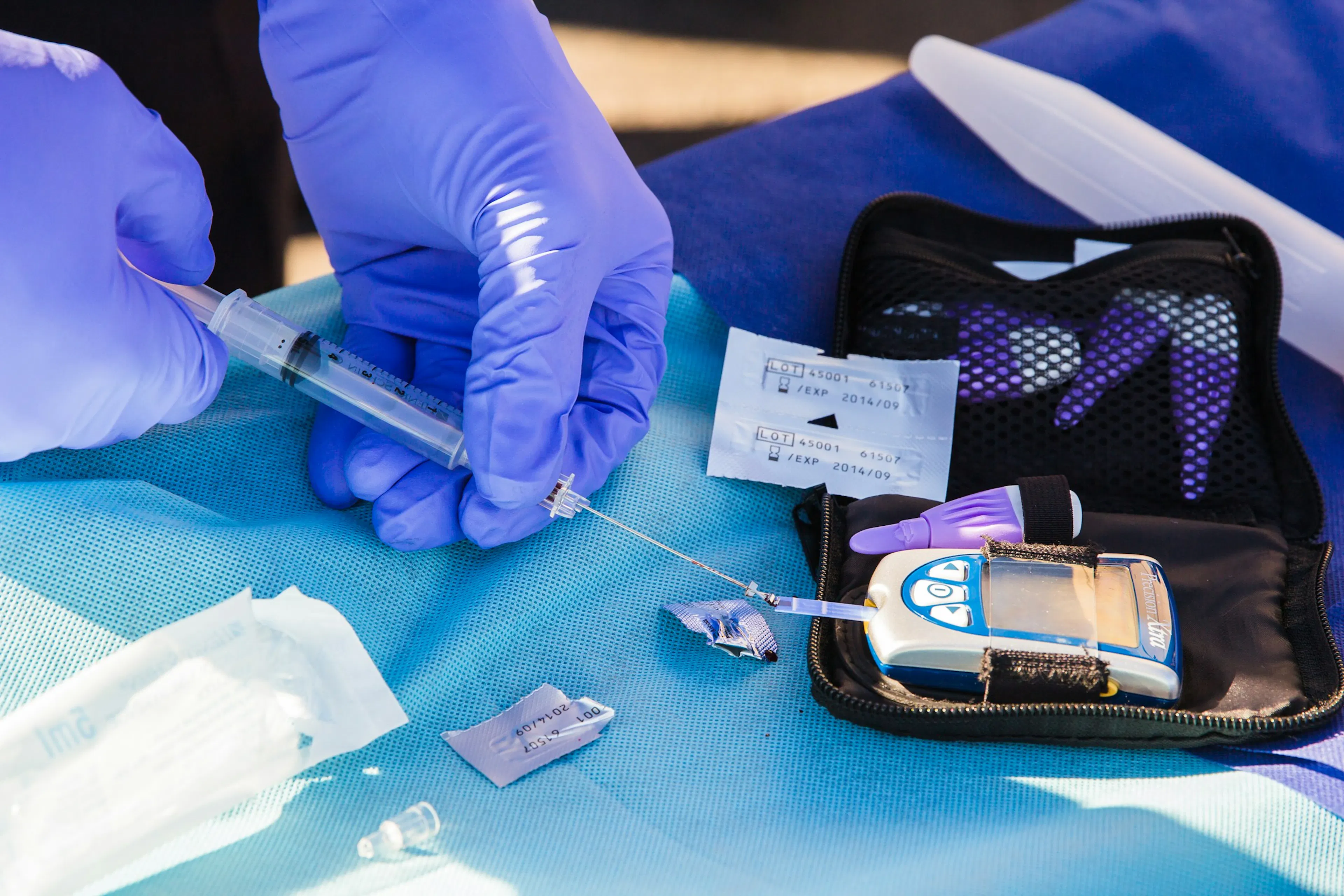
A1C is measured via venous blood draw or validated point-of-care testing, standardized through NGSP and IFCC methods.
Known Limitations of A1C
A1C should always be interpreted in context.
Related Read: How to Calculate and Understand Your A1C Levels (And Why It Matters for Blood Sugar & Health)
Peptide therapy, done properly.
Personalized treatment recommendations based on your labs—not trends. Work with experienced clinicians to develop a peptide protocol that fits your biology.

A1C vs Other Glucose Tests: Which Tells the Full Story?
No single test tells the whole story.
Why A1C and Blood Glucose Don’t Always Match
You can have:
- Normal fasting glucose
- Normal finger-stick readings
- Elevated A1C
This often reflects post-meal glucose spikes or overnight elevations, which A1C captures but spot checks miss.
This is where continuous glucose monitoring (CGM) can provide clarity.
When to Be Concerned — and When to Monitor
Monitoring Is Reasonable If:
- A1C is 5.7–6.0%
- No symptoms
- Stable over time
Further Evaluation Is Warranted If:
- A1C is rising
- A1C >6.0%
- Strong family history
- Symptoms (fatigue, thirst, frequent urination)
Additional tests may include fasting insulin, OGTT, or CGM.
How to Lower A1C Without Diabetes
Nutrition
- Reduce refined carbohydrates
- Increase protein and fiber
- Improve meal timing and sequencing
Physical Activity
- Resistance training improves insulin sensitivity
- Walking after meals lowers glucose excursions
Sleep and Stress
- Consistent sleep schedules
- Stress management has measurable metabolic benefits
Medical Guidance
- Repeat A1C testing
- Rule out anemia or hemoglobin variants
- Personalized glucose monitoring when appropriate

Frequently Asked Questions
Can stress alone raise A1C?
Yes. Chronic cortisol elevation can raise average glucose levels.
Is an A1C of 5.8% dangerous?
Not immediately, but it signals increased metabolic risk.
How long does it take to lower A1C?
Most changes occur over 8–12 weeks, reflecting red blood cell turnover.
Can A1C be inaccurate?
Yes — especially with anemia, blood disorders, or recent illness.
Is A1C better than daily glucose tests?
They measure different things. A1C shows long-term exposure; glucose tests show moment-to-moment values.
Questions to Ask Your Clinician About Elevated A1C
- Should this test be repeated?
- Could anemia or medications affect my result?
- Would CGM help clarify patterns?
- Which lifestyle changes matter most for me?
The Bottom Line
A high A1C without diabetes is common, meaningful, and actionable.
It often reflects early insulin resistance or metabolic stress, not failure or disease — and it offers an opportunity to intervene early with lifestyle changes, better monitoring, and informed medical care.
Recommended For You

FDA Peptide Decision 2026: The Final Vote on BPC-157, TB-500, MOTS-c and More — What It Means for You
Across July 23–24, 2026, the FDA's advisory committee recommended six peptides for legal compounding — BPC-157, KPV, TB-500, MOTS-c, epitalon, and Semax — and rejected one, emideltide (DSIP). Here's the complete scorecard, what it means, what it doesn't, and what to do next.

FDA Advisory Committee Votes to Ease Peptide Restrictions: What the July 2026 Vote on BPC-157, KPV, TB-500, and MOTS-c Actually Means
An FDA advisory committee voted on July 23, 2026 to recommend easing restrictions on four peptides — BPC-157, KPV, TB-500, and MOTS-c. Here's what that vote actually does, why it isn't an approval, and what it means for your health.

GLP-1 and Fertility: Emerging Evidence for Women With Obesity, Insulin Resistance, and PMOS
GLP-1 fertility research in women with PMOS and insulin resistance shows consistent improvements in ovulation, menstrual regularity, and androgen levels. This deep dive covers the clinical evidence, mechanisms, who benefits most, and how to approach a PMOS fertility metabolic plan.