10 Ways to Lose Weight in Winter (Backed by Science & Practical Tips)
By Karyn O.

Winter has a reputation for weight gain—and not without reason. Across populations, small but consistent increases in body weight are observed during colder months, often driven less by biology and more by behavior: reduced activity, increased caloric intake, disrupted routines, and subtle psychological shifts.
But the narrative that “winter makes you gain weight” is incomplete—and, in many ways, misleading.
From a metabolic standpoint, the human body remains remarkably stable across seasons. What changes is how we eat, move, sleep, and respond to environmental cues. In other words, winter weight gain is not inevitable—it is predictable, and therefore preventable.
This guide outlines 10 clinically grounded strategies to help you lose (or avoid gaining) weight during winter, supported by current evidence in nutrition, metabolism, and behavioral science.
Why Weight Gain Happens in Winter (And Why It’s Misunderstood)
Before discussing solutions, it’s important to understand the problem correctly.
1. Appetite and Food Choices Shift
Colder weather is associated with increased cravings for energy-dense foods—particularly carbohydrates and fats. This is partly behavioral (comfort eating) and partly neurochemical, involving dopamine-driven reward pathways.
- Research suggests seasonal changes in appetite and dietary patterns contribute to higher caloric intake in winter [1].
2. Physical Activity Quietly Declines

Even without noticing, most people:
- Walk less
- Spend more time indoors
- Reduce incidental movement (known as NEAT—Non-Exercise Activity Thermogenesis)
This reduction alone can significantly impact daily energy expenditure [2].
3. Hydration Drops—But Hunger Rises
Cold blunts thirst signals. Many people drink less water in winter, which can:
- Increase perceived hunger
- Reduce satiety
- Affect metabolic processes linked to fat oxidation [3]
4. Sleep and Mood Are Disrupted
Shorter daylight hours can:
- Alter circadian rhythm
- Reduce sleep quality
- Increase stress and emotional eating
Seasonal mood changes (including mild forms of seasonal affective disorder) can also influence eating behaviors.
Quick Summary: 10 Ways to Lose Weight in Winter
- Stay hydrated (even without thirst)
- Prioritize protein and fiber
- Maintain daily movement
- Use warm, low-calorie meals strategically
- Control portions (especially festive foods)
- Optimize sleep and circadian rhythm
- Manage stress and emotional eating
- Use cold exposure realistically
- Maintain structure and routine
- Track progress and accountability
1. Stay Hydrated—Even When You Don’t Feel Thirsty
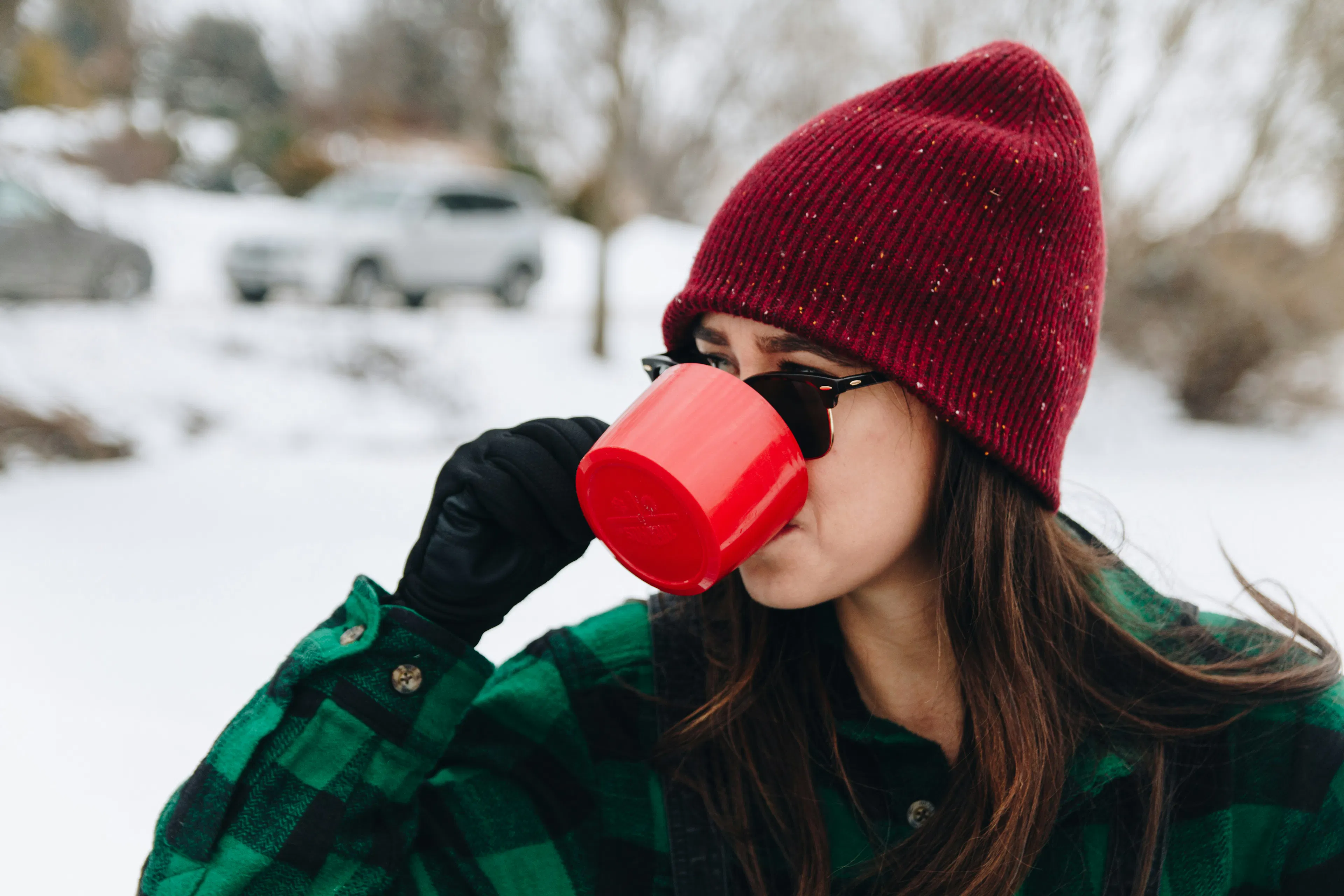
One of the most overlooked drivers of winter weight gain is reduced hydration.
Thirst perception decreases in cold environments, but the body’s need for water does not. Mild dehydration can be misinterpreted as hunger, leading to unnecessary caloric intake.
What the Evidence Shows
- Increased water intake is associated with reduced energy intake and improved weight loss outcomes [4].
- Hydration supports metabolic processes, including lipolysis (fat breakdown).
Practical Application
- Replace cold water with:
- Warm water
- Herbal teas
- Light broths
- Set structured hydration habits (e.g., 1 glass every 2–3 hours)
2. Build Meals Around Protein and Fiber
If there is a single nutritional principle that consistently supports weight loss across seasons, it is this: prioritize satiety.
Why It Works
- Protein increases thermogenesis and reduces hunger hormones
- Fiber slows digestion and stabilizes blood sugar
Together, they reduce overall caloric intake without conscious restriction.
Evidence
High-protein diets have been shown to:
- Reduce appetite
- Improve body composition
- Support long-term weight management [5]
Winter-Friendly Examples
- Lentil and vegetable soups
- Grilled chicken with roasted vegetables
- Beans, oats, and whole grains
3. Don’t “Hibernate”: Maintain Daily Movement
The most significant metabolic shift in winter is often not in diet—but in movement.
The Hidden Variable: NEAT
NEAT includes:
- Walking
- Standing
- Daily activity
Even small reductions (e.g., 2,000 fewer steps/day) can meaningfully impact energy balance.

What to Do Instead
- Introduce indoor movement anchors:
- 10-minute activity blocks
- Home workouts
- Maintain step targets—even indoors
Evidence
Reduced physical activity is a key contributor to seasonal weight gain [2].
4. Use Warm, Low-Calorie Foods to Your Advantage
Winter increases the desire for warm, comforting meals. This can be leveraged—not avoided.
The Strategy
Focus on high-volume, low-calorie foods:
- Soups
- Stews
- Broths
- Vegetables
These provide:
- Warmth
- Satiety
- Lower caloric density
Clinical Insight
Satiety is driven not just by calories, but by volume and temperature perception. Warm meals often enhance fullness.
5. Control Portions—Especially During Festive Periods
Winter often overlaps with social gatherings and calorie-dense foods.
The issue is rarely one meal—it’s repeated small excesses over time.
Practical Strategies
- Use smaller plates
- Eat slowly (20-minute rule)
- Prioritize protein before carbohydrates
Evidence
Portion control remains one of the most reliable predictors of weight management success [6].
6. Optimize Sleep and Circadian Rhythm
Sleep is a metabolic regulator—not a luxury.
What Happens When Sleep Is Disrupted
- Increased ghrelin (hunger hormone)
- Reduced leptin (satiety hormone)
- Increased cravings for high-calorie foods
Winter Risk Factors
- Reduced sunlight
- Irregular schedules
- Increased screen time
Practical Fixes
- Maintain consistent sleep times
- Seek morning light exposure
- Limit late-night eating
7. Manage Stress and Emotional Eating

Winter introduces subtle psychological stressors:
- Reduced social interaction
- Holiday pressures
- Lower mood
These often translate into emotional eating.
Mechanism
Stress increases cortisol, which:
- Promotes fat storage
- Increases cravings for energy-dense foods
Strategies
- Build structured routines
- Identify emotional triggers
- Replace eating with alternative coping behaviors
8. Use Cold Exposure Realistically (Not as a Shortcut)
There is growing interest in cold exposure and its role in activating brown adipose tissue (BAT).
The Reality
While cold exposure can:
- Increase energy expenditure slightly
- Activate thermogenesis
The effect is modest—not transformative.
Clinical Perspective
Cold exposure should:
- Encourage movement (e.g., walking outdoors)
- Not justify increased calorie intake
9. Maintain Structure and Routine
Winter disrupts routine—and with it, consistency.
Why Structure Matters
Weight management is less about intensity and more about predictability:
- Regular meals
- Scheduled activity
- Consistent sleep
Behavioral Insight
When structure is lost, decision fatigue increases—leading to poorer choices.
10. Track Progress and Stay Accountable
What gets measured tends to improve.
Tools
- Weekly weight tracking
- Habit trackers
- Food awareness (not necessarily strict logging)
Evidence
Self-monitoring is strongly associated with improved weight loss outcomes [7].
What Most Articles Get Wrong About Winter Weight Loss
Myth 1: “Cold weather significantly boosts metabolism”
Reality: The increase is modest and often offset by increased intake.
Myth 2: “Weight gain is inevitable”
Reality: It is behavioral, not biological destiny.
Myth 3: “You need heavier foods to stay warm”
Reality: Thermoregulation is not dependent on calorie-dense meals.
A Clinician’s Framework for Sustainable Winter Weight Loss

Effective weight management in winter requires integrating three pillars:
1. Nutrition
- Protein, fiber, hydration
2. Movement
- Daily activity, not just workouts
3. Behavior
- Routine, sleep, stress management
No single intervention works in isolation. The goal is alignment—not perfection.
When to Seek Medical Support
If weight gain persists despite lifestyle changes, consider evaluation for:
- Hormonal conditions (e.g., hypothyroidism)
- Insulin resistance
- Sleep disorders
Structured, clinically guided programs can provide:
- Personalization
- Accountability
- Long-term support
How Meto Supports Sustainable Weight Loss—Even in Winter
At Meto, weight management is approached as a clinical and behavioral system, not a short-term intervention.
Patients are supported through:
- Personalized nutrition strategies
- Habit-building frameworks
- Ongoing clinical oversight
Winter is where many individuals lose momentum. Structured support ensures continuity—regardless of season.
FAQs
Why do people gain weight in winter?
Primarily due to increased calorie intake, reduced activity, and behavioral changes—not a major metabolic slowdown.
Is it harder to lose weight in winter?
It can be, due to environmental and behavioral factors—but with structure, it is entirely achievable.
Does cold weather boost metabolism?
Slightly, but not enough to offset increased calorie intake.
What foods are best for winter weight loss?
High-protein, high-fiber, warm meals such as soups, legumes, and lean proteins.
How much water should you drink in winter?
Hydration needs remain similar to other seasons—typically 2–3 liters per day, adjusted for individual needs.
Key Takeaways
- Winter weight gain is behavior-driven, not inevitable
- Hydration, protein intake, and movement are foundational
- Routine and sleep are often overlooked—but critical
- Small, consistent habits outperform extreme interventions
Recommended For You

FDA Peptide Decision 2026: The Final Vote on BPC-157, TB-500, MOTS-c and More — What It Means for You
Across July 23–24, 2026, the FDA's advisory committee recommended six peptides for legal compounding — BPC-157, KPV, TB-500, MOTS-c, epitalon, and Semax — and rejected one, emideltide (DSIP). Here's the complete scorecard, what it means, what it doesn't, and what to do next.

FDA Advisory Committee Votes to Ease Peptide Restrictions: What the July 2026 Vote on BPC-157, KPV, TB-500, and MOTS-c Actually Means
An FDA advisory committee voted on July 23, 2026 to recommend easing restrictions on four peptides — BPC-157, KPV, TB-500, and MOTS-c. Here's what that vote actually does, why it isn't an approval, and what it means for your health.

GLP-1 and Fertility: Emerging Evidence for Women With Obesity, Insulin Resistance, and PMOS
GLP-1 fertility research in women with PMOS and insulin resistance shows consistent improvements in ovulation, menstrual regularity, and androgen levels. This deep dive covers the clinical evidence, mechanisms, who benefits most, and how to approach a PMOS fertility metabolic plan.