Melatonin Overdose: How Much Is Too Much?
By Dr. Priyali Singh, MD

What Happens, Safe Dosage, Symptoms & When to Seek Help
Melatonin is one of the most widely used sleep supplements in the world. Because it’s available over the counter and often marketed as “natural,” many people assume it’s completely harmless.
But can you overdose on melatonin?
The short answer: Yes, you can take too much melatonin. While life-threatening toxicity is rare in healthy adults, high doses can cause significant symptoms, and children are at higher risk, especially with gummy formulations.
This guide explains what counts as too much, symptoms to watch for, safe dosage ranges, and when to seek medical care.
What Is Melatonin?
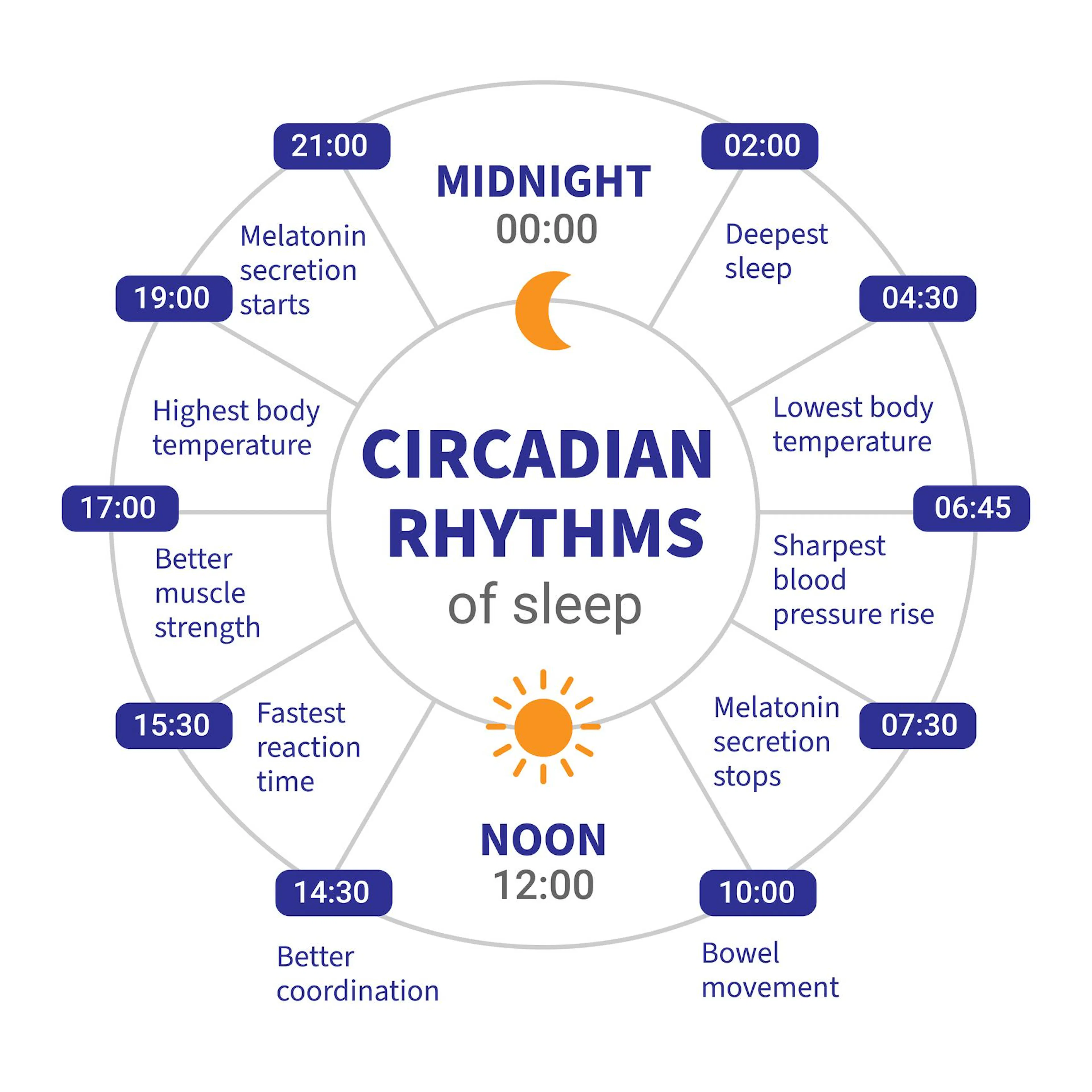
Melatonin is a hormone produced by the pineal gland in the brain. It helps regulate your circadian rhythm — your internal 24-hour sleep–wake cycle.
When it gets dark, your body increases melatonin production to signal that it’s time to sleep. When light returns, levels drop.
Melatonin supplements are used for:
- Insomnia
- Jet lag
- Shift work sleep disorder
- Delayed sleep phase
- Some pediatric sleep disorders (under supervision)
Unlike sedative medications, melatonin does not “knock you out.” It works as a biological timing signal, not a direct sleep inducer.
Can You Overdose on Melatonin?
There is no universally defined lethal dose of melatonin. Severe or fatal toxicity in healthy adults is extremely rare.
However:
- Taking large amounts can cause distressing side effects
- Children can experience more serious reactions
- Supplement strength may vary significantly from label claims
- Interactions with other medications can increase risk
A 2022 analysis from the U.S. Centers for Disease Control and Prevention (CDC) reported a dramatic rise in pediatric melatonin ingestions between 2012–2021, with over 260,000 cases reported to poison control centers. Most were mild, but some required hospitalization and a small number required intensive care.
So while melatonin is generally safe at appropriate doses, it is not risk-free.
How Much Melatonin Is Too Much?
Typical Evidence-Based Dosage
Research shows that higher doses (10 mg, 20 mg, or more) do not necessarily improve sleep quality and increase the likelihood of side effects.
What About 10 mg or 20 mg?
Many over-the-counter products contain 5–10 mg per tablet or gummy.
- 10 mg may cause excessive drowsiness, dizziness, nausea
- 20 mg or higher increases the risk of confusion, vomiting, low blood pressure, and agitation
- Extremely high doses (50 mg+) have been reported but are not recommended
Importantly, melatonin supplements are not strictly regulated. Studies have found that actual melatonin content can vary widely from labeled amounts.
Related Read: Melatonin Dosage: How Much Should You Really Take for Better Sleep?
Symptoms of Taking Too Much Melatonin
Common Symptoms
- Excessive sleepiness
- Headache
- Dizziness
- Nausea
- Vivid or disturbing dreams
- Daytime grogginess
- Low blood pressure
More Concerning Symptoms
- Confusion
- Severe vomiting
- Fainting
- Agitation
- Disorientation
- Unusual heart rate changes
Symptoms typically resolve within several hours to a day, depending on the dose taken.
What Happens If a Child Eats Too Much Melatonin?
This is one of the most important safety concerns.
Melatonin gummies often resemble candy, increasing the risk of accidental ingestion in children.
According to CDC data (2012–2021):
- Pediatric melatonin ingestions increased by over 500%
- Most cases were asymptomatic or mild
- Some required hospitalization
- Rare cases required mechanical ventilation
Pediatric Symptoms May Include:
- Extreme sleepiness
- Vomiting
- Agitation
- Respiratory depression (rare)
- Blood pressure changes
When to Seek Help
Call poison control immediately if:
- A child consumed an unknown amount
- The child is difficult to wake
- There is persistent vomiting
- There are breathing concerns
In the United States, call 1-800-222-1222 (Poison Control).
If there are severe symptoms, seek emergency care.

Can Melatonin Overdose Be Fatal?
In healthy adults, fatal overdose from melatonin alone is extremely rare and not well documented in medical literature.
However, risk increases with:
- Concurrent sedatives
- Benzodiazepines
- Alcohol
- Blood pressure medications
- Antidepressants
- Underlying medical conditions
Melatonin can also interact with blood thinners like warfarin, potentially increasing bleeding risk.
It should not be viewed as harmless simply because it is “natural.”
Drug Interactions That Increase Risk
Melatonin may interact with:
- Antidepressants (SSRIs, SNRIs)
- Blood pressure medications (may lower BP further)
- Anticoagulants (e.g., warfarin)
- Diabetes medications (may affect glucose levels)
- Sedatives and benzodiazepines
- Alcohol
These interactions can amplify side effects or increase complications.
Always consult a clinician if you take prescription medications.
What To Do If You Take Too Much Melatonin
If Symptoms Are Mild
- Rest
- Avoid driving or operating machinery
- Stay hydrated
- Monitor symptoms
Most cases resolve without treatment.
If a Large Dose Was Taken
- Contact poison control
- Do not induce vomiting
- Seek emergency care if symptoms are severe
Emergency evaluation may include monitoring vital signs and supportive care.
Similar Read: Natural Sleep Aids: The Most Effective Remedies Backed by Science
Why More Melatonin Does NOT Mean Better Sleep
Melatonin works as a circadian signal, not a sedative.
Taking more does not necessarily:
- Make you fall asleep faster
- Improve sleep depth
- Increase REM sleep
In fact, higher doses may worsen:
- Daytime fatigue
- Mood disturbances
- Sleep fragmentation
Lower doses (0.5–3 mg) are often more physiologically appropriate.
Long-Term High-Dose Melatonin Use: Is It Safe?
Long-term safety data are limited.
Potential concerns include:
- Hormonal effects
- Mood changes
- Daytime sedation
- Impact on puberty in children (uncertain but under study)
Most guidelines recommend using the lowest effective dose for the shortest necessary duration.
Who Should Avoid or Use Caution With Melatonin?
- Pregnant or breastfeeding individuals
- People with autoimmune disorders
- Individuals with seizure disorders
- People with depression
- Those with unstable blood pressure
- Children without medical supervision
Safe Melatonin Use: Practical Guidelines
- Start with 0.5–1 mg
- Take 2–3 hours before desired bedtime
- Avoid combining with alcohol or sedatives
- Focus on sleep hygiene first
- Use under medical guidance if chronic insomnia persists
Melatonin should be a tool — not a long-term replacement for addressing the root cause of sleep problems.
Frequently Asked Questions
Can 20 mg of melatonin kill you?
In healthy adults, this is unlikely to be fatal, but it may cause significant symptoms. Seek medical advice if symptoms occur.
Is 10 mg too much?
For many people, yes. Research suggests lower doses (1–5 mg) are usually sufficient.²
How long do overdose symptoms last?
Most symptoms resolve within several hours to 24 hours.
Are melatonin gummies more dangerous?
They are not inherently more toxic, but they increase accidental ingestion risk in children.
Can melatonin cause heart problems?
It can lower blood pressure and interact with cardiac medications. Use caution if you have cardiovascular disease.
Key Takeaways
- Yes, you can take too much melatonin.
- Severe toxicity is rare in healthy adults but possible.
- Children are at higher risk for complications.
- High doses do not improve sleep and increase side effects.
- Always use the lowest effective dose.
If in doubt, contact poison control or a healthcare provider.
Recommended For You

FDA Peptide Decision 2026: The Final Vote on BPC-157, TB-500, MOTS-c and More — What It Means for You
Across July 23–24, 2026, the FDA's advisory committee recommended six peptides for legal compounding — BPC-157, KPV, TB-500, MOTS-c, epitalon, and Semax — and rejected one, emideltide (DSIP). Here's the complete scorecard, what it means, what it doesn't, and what to do next.

FDA Advisory Committee Votes to Ease Peptide Restrictions: What the July 2026 Vote on BPC-157, KPV, TB-500, and MOTS-c Actually Means
An FDA advisory committee voted on July 23, 2026 to recommend easing restrictions on four peptides — BPC-157, KPV, TB-500, and MOTS-c. Here's what that vote actually does, why it isn't an approval, and what it means for your health.

GLP-1 and Fertility: Emerging Evidence for Women With Obesity, Insulin Resistance, and PMOS
GLP-1 fertility research in women with PMOS and insulin resistance shows consistent improvements in ovulation, menstrual regularity, and androgen levels. This deep dive covers the clinical evidence, mechanisms, who benefits most, and how to approach a PMOS fertility metabolic plan.