GLP-1 Microdosing and Menopause Weight Gain: A Clinical Guide
By Lilian E.

GLP-1 medications (such as semaglutide and tirzepatide) are drugs that mimic the hormone glucagon-like peptide-1, helping regulate appetite, blood sugar, and insulin response. “Microdosing” GLP-1s refers to using doses lower than standard weight-loss or diabetes protocols, often with slower titration. Interest in microdosing during menopause has grown because hormonal changes can drive insulin resistance, increased appetite, and visceral fat gain — even without changes in diet or activity. While standard-dose GLP-1s are well studied, evidence for microdosing specifically in menopausal women is limited. Decisions should be individualized, medically supervised, and grounded in long-term metabolic health rather than rapid weight loss.
Why Weight Gain Happens During Menopause (It’s Not Just Calories)
Hormonal Changes and Fat Distribution
Menopause is characterized by a sharp decline in estrogen, a hormone that plays a central role in metabolic regulation. Estrogen influences where fat is stored, how insulin functions, and how energy is used. As estrogen levels fall, fat storage shifts from predominantly subcutaneous (hips and thighs) to visceral (abdominal) fat, which is more metabolically active and associated with cardiometabolic risk (Davis et al., 2015).
This change occurs even when total calorie intake and physical activity remain stable.
Insulin Resistance in Midlife Women
Estrogen supports insulin sensitivity. Its decline during menopause is associated with increased insulin resistance, higher fasting glucose levels, and exaggerated blood sugar responses after meals (Mauvais-Jarvis et al., 2013). Insulin resistance promotes fat storage, particularly in the abdomen, and makes weight loss more difficult through lifestyle changes alone.
Appetite and Brain Signaling
Menopause also alters appetite-regulating hormones such as leptin and ghrelin, and affects central nervous system pathways involved in satiety. Many women report increased hunger, stronger cravings, and persistent “food noise,” even when eating patterns have not changed (Lovejoy et al., 2008).
What Are GLP-1 Medications?
Defining GLP-1 Receptor Agonists
GLP-1 (glucagon-like peptide-1) is a gut-derived incretin hormone released after eating. It helps regulate blood sugar by stimulating insulin release, suppressing glucagon, slowing gastric emptying, and increasing feelings of fullness (Drucker, 2018).
GLP-1 receptor agonists are medications designed to amplify these effects.
Common GLP-1 and Related Medications
- Semaglutide (e.g., Ozempic®, Wegovy®)
- Tirzepatide (dual GLP-1/GIP agonist; e.g., Mounjaro®, Zepbound®)
These drugs are FDA-approved for type 2 diabetes and/or obesity, not specifically for menopause-related weight gain.
How GLP-1s Work in the Body
GLP-1 medications act on multiple systems:
- Reduce appetite via central nervous system pathways
- Slow stomach emptying, increasing satiety
- Improve insulin sensitivity and glycemic control
- Reduce post-meal glucose spikes
Weight loss is a downstream effect of these metabolic changes rather than the sole mechanism.
What Does “Microdosing” GLP-1s Mean?
Clinical Definition (Informal)
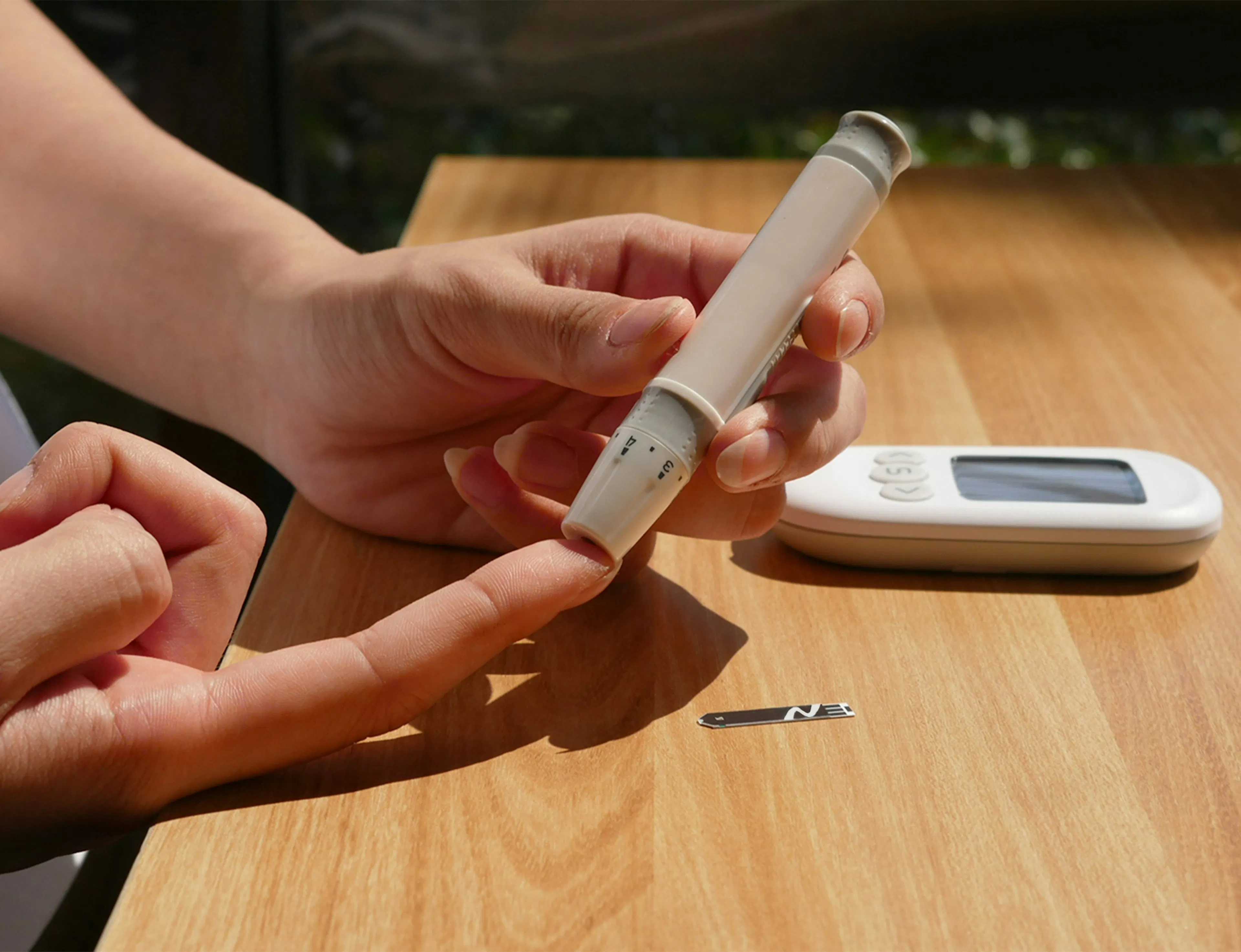
Microdosing generally refers to using doses below those established in large clinical trials for diabetes or obesity, often with slower titration schedules. There is no FDA-defined or standardized microdosing protocol.
Why Clinicians Are Exploring Lower Doses
Some clinicians consider microdosing for menopausal women because:
- Midlife women may be more sensitive to GI side effects
- Appetite suppression at standard doses can lead to under-fueling
- Rapid weight loss increases risk of muscle and bone loss
- The goal may be metabolic stabilization, not aggressive weight loss
Related Read: Switching from Compounded GLP-1s to FDA-Approved Medications: What You Need to Know
What Does the Evidence Say About Microdosing GLP-1s?
What We Know
Large randomized trials demonstrate that standard-dose GLP-1s improve glycemic control and induce weight loss in people with diabetes or obesity (Wilding et al., 2021; Jastreboff et al., 2022). Even lower doses of GLP-1 agonists have measurable effects on insulin secretion, gastric emptying, and appetite.
What We Don’t Know
- There are no large randomized trials evaluating microdosing GLP-1s specifically in menopausal women
- Optimal dosing for metabolic benefit without excessive appetite suppression is undefined
- Long-term safety data for low-dose, off-label use are limited
Current microdosing practices are extrapolated from broader metabolic research and clinical experience, not menopause-specific evidence.
Potential Benefits of Microdosing GLP-1s in Menopause
Possible (but not guaranteed) benefits include:
- Reduced appetite dysregulation and food noise
- Improved insulin sensitivity
- Stabilization of weight rather than rapid loss
- Better post-meal glucose control
These effects may be valuable for some women when lifestyle interventions alone are insufficient — but they remain theoretical without direct clinical trial confirmation.
Risks, Side Effects, and Unknowns
Common Side Effects (Even at Low Doses)
- Nausea
- Constipation or diarrhea
- Fatigue
- Reduced appetite leading to inadequate calorie or protein intake
Menopause-Specific Concerns
- Muscle loss: Rapid or excessive weight loss can worsen sarcopenia, already accelerated during menopause
- Bone health: Under-nutrition and weight loss may negatively affect bone density
- Nutrient deficiencies: Reduced intake can compromise micronutrient status
- Medication interactions: Limited data exist on combined use with hormone replacement therapy (HRT)
Long-Term Unknowns
- Metabolic adaptation after discontinuation
- Weight regain patterns
- Psychological effects of appetite suppression
Who Might Be a Candidate — and Who Should Avoid GLP-1s

May Be Considered (With Medical Supervision)
- Menopausal women with insulin resistance or prediabetes
- Those with persistent weight gain despite optimized nutrition, sleep, and activity
- Individuals committed to strength training and adequate protein intake
Should Avoid or Use Extreme Caution
- History of eating disorders
- Significant gastrointestinal disease
- Personal or family history of medullary thyroid carcinoma
- Individuals at normal or low body weight
Similar Read: 10 Essential Biomarkers to Track When Taking GLP-1 Medications
Microdosing vs Standard Dosing vs Lifestyle-First Approaches
Lifestyle and Nutritional Strategies That Should Come First
Nutrition
- Adequate protein to preserve lean mass
- Balanced meals to reduce glucose spikes
- Sufficient fiber, calcium, vitamin D, and iron
Strength Training
Resistance training is one of the most effective tools to counter menopause-related metabolic decline, improve insulin sensitivity, and preserve bone and muscle mass (Westcott, 2012).
Sleep and Stress
Poor sleep and elevated cortisol independently contribute to insulin resistance and abdominal fat accumulation.
Questions to Discuss With a Clinician
- What is driving my weight gain: hormones, insulin resistance, or lifestyle factors?
- How will muscle and bone health be protected?
- What metrics beyond weight will be tracked?
- What is the plan for discontinuation?
FAQs
Is microdosing GLP-1s safe during menopause?
Safety data are limited. Use should be individualized and medically supervised.
Can GLP-1s treat menopause belly fat?
They may reduce visceral fat indirectly by improving insulin sensitivity, but results vary.
Is microdosing better than full dosing?
It may reduce side effects, but efficacy is less certain.
Will weight return after stopping GLP-1s?
Weight regain is common without sustained lifestyle support.
The Meto Perspective
At Meto, menopause-related weight gain is approached as a metabolic and hormonal issue, not a failure of discipline. GLP-1 medications may play a role for some women, but they are tools — not cures. Long-term health requires protecting muscle, bone, and metabolic resilience, with medication used thoughtfully, cautiously, and in context.
Recommended For You

FDA Peptide Decision 2026: The Final Vote on BPC-157, TB-500, MOTS-c and More — What It Means for You
Across July 23–24, 2026, the FDA's advisory committee recommended six peptides for legal compounding — BPC-157, KPV, TB-500, MOTS-c, epitalon, and Semax — and rejected one, emideltide (DSIP). Here's the complete scorecard, what it means, what it doesn't, and what to do next.

FDA Advisory Committee Votes to Ease Peptide Restrictions: What the July 2026 Vote on BPC-157, KPV, TB-500, and MOTS-c Actually Means
An FDA advisory committee voted on July 23, 2026 to recommend easing restrictions on four peptides — BPC-157, KPV, TB-500, and MOTS-c. Here's what that vote actually does, why it isn't an approval, and what it means for your health.

GLP-1 and Fertility: Emerging Evidence for Women With Obesity, Insulin Resistance, and PMOS
GLP-1 fertility research in women with PMOS and insulin resistance shows consistent improvements in ovulation, menstrual regularity, and androgen levels. This deep dive covers the clinical evidence, mechanisms, who benefits most, and how to approach a PMOS fertility metabolic plan.