Oral Tirzepatide Drops: What They Are, How They Work, and What to Know
By Dr. Priyali Singh, MD
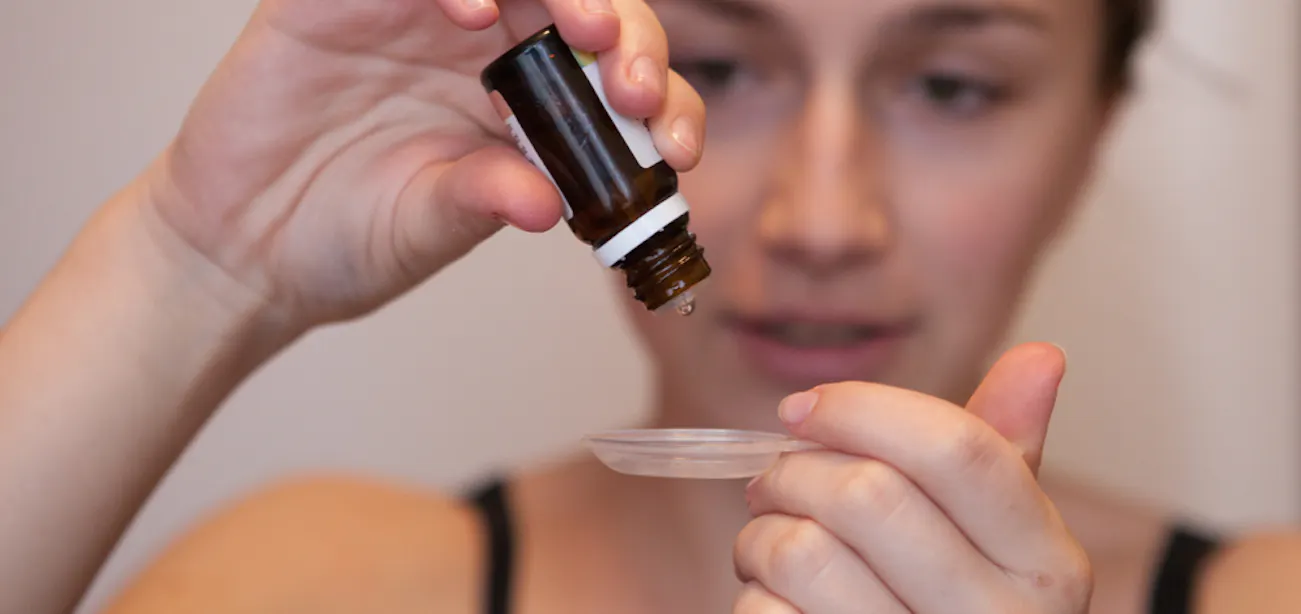
Quick Answer: What Are Oral Tirzepatide Drops?
Oral tirzepatide drops are non-FDA-approved, compounded formulations that claim to deliver tirzepatide—a prescription injectable medication—without the use of needles. Unlike FDA-approved injectable tirzepatide (sold under brand names like Mounjaro® and Zepbound®), oral drop versions have not been proven safe or effective in large human clinical trials. Their dosing, absorption, and long-term safety remain uncertain, and they should be approached with caution and informed medical guidance.
What Is Tirzepatide?
Tirzepatide is a prescription medication used to improve blood sugar control and support weight loss in people with metabolic disease. It belongs to a class of drugs known as incretin-based therapies and is currently FDA-approved only as an injectable medication.
Tirzepatide as a Dual GIP/GLP-1 Receptor Agonist
Tirzepatide is unique because it activates two metabolic hormone pathways at once:
- GLP-1 (glucagon-like peptide-1): Helps regulate appetite, slows gastric emptying, improves insulin secretion, and reduces post-meal blood sugar spikes.
- GIP (glucose-dependent insulinotropic polypeptide): Enhances insulin sensitivity and may influence fat metabolism and energy balance.
By targeting both pathways, tirzepatide produces stronger metabolic effects than GLP-1–only medications in many patients.
How Tirzepatide Works in the Body
Injectable tirzepatide works by:
- Reducing hunger and food intake
- Improving insulin response
- Stabilizing blood glucose levels
- Supporting sustained weight loss
- Influencing hormonal signals involved in metabolism
These effects are well-documented in large clinical trials for injectable forms.
FDA-Approved Tirzepatide vs Oral Tirzepatide Drops
Not all tirzepatide products are equal—and the difference matters.

Injectable Tirzepatide: What’s Approved and Proven
FDA-approved injectable tirzepatide:
- Has standardized dosing
- Has undergone large human clinical trials
- Has a well-defined safety profile
- Is prescribed and monitored by licensed clinicians
- Delivers predictable absorption into the bloodstream
This is currently the only clinically validated form of tirzepatide.
Oral Tirzepatide Drops: What’s Experimental
Oral tirzepatide drops are typically:
- Compounded, not FDA-approved
- Produced by specialized pharmacies rather than pharmaceutical manufacturers
- Not supported by large-scale human trials
- Variable in strength, absorption, and effectiveness
Because they bypass the FDA approval process, quality, dosing accuracy, and safety oversight may differ significantly from approved medications.
How Would Oral Tirzepatide Drops Work—In Theory?
The idea of oral tirzepatide is appealing—but biologically complex.
Why Peptide Drugs Are Hard to Take Orally
Tirzepatide is a peptide, meaning:
- It can be broken down by stomach acid
- Digestive enzymes can degrade it before absorption
- Very little may reach the bloodstream intact
This is why most peptide drugs are injected.
Strategies Used in Experimental Oral GLP-1s
Some experimental approaches attempt to improve absorption using:
- Absorption enhancers
- Protective coatings
- Sublingual or buccal delivery claims
- Modified molecular structures
Even with these strategies, absorption remains limited and unpredictable.
Bioavailability Challenges
Bioavailability refers to how much of a drug actually enters circulation. With oral tirzepatide drops:
- Absorption may vary day-to-day
- Effects may differ widely between individuals
- True dosing equivalence to injections is unknown
Potential Benefits (Theoretical, Not Proven)
People are drawn to oral tirzepatide drops for several reasons, including:
- Avoiding injections
- Perceived convenience
- Hopes of fewer side effects
- Ease of travel or daily use
It’s important to note: these benefits are theoretical and not supported by high-quality clinical evidence.
Risks, Unknowns, and Safety Concerns
A cautious discussion of risk is essential.
What We Know From Injectable Tirzepatide
From FDA-approved use, known side effects include:
- Nausea, vomiting, diarrhea
- Appetite suppression
- Fatigue
- Gallbladder complications
- Rare but serious risks such as pancreatitis
These risks are dose-dependent and monitored in clinical settings.
What We Don’t Know About Oral Drops
Key unknowns include:
- Long-term safety
- True potency
- Risk of overdose or underdosing
- Hormonal and metabolic consequences over time
Compounding-Specific Risks
Compounded medications may carry:
- Inconsistent dosing
- Variability between batches
- Contamination risk
- Limited post-market surveillance
Related Read: Switching from Compounded GLP-1s to FDA-Approved Medications: What You Need to Know
Evidence Gaps and Research Status
At present:
- No large human trials confirm oral tirzepatide drops are safe or effective
- Most data are extrapolated from injectable use or early research
- Lack of evidence does not mean safety
Clinical caution is warranted.
Who Might Be Considering Oral Tirzepatide Drops—and Why
Some individuals explore oral drops due to:
- Needle aversion
- Cost concerns
- Difficulty tolerating injections
- Accessibility barriers
- Exposure to aggressive online marketing
Understanding motivation helps support informed, patient-centered decisions.
Comparing Options: Oral Drops vs Injections vs Other GLP-1s
Marketing Claims vs Clinical Reality
Claim: “Same results as injections”
Reality: No evidence supports equivalence.
Claim: “Safer because it’s oral”
Reality: Route does not equal safety.
Claim: “FDA-approved alternative”
Reality: Oral tirzepatide drops are not FDA-approved.
Red Flags and Questions to Ask a Provider

Red Flags
- Guaranteed weight loss claims
- No discussion of risks
- Lack of transparency about sourcing
- No monitoring plan
Questions to Ask
- Is this FDA-approved?
- What evidence supports this formulation?
- How is dosing determined?
- What are the risks and unknowns?
- How will I be monitored?
Frequently Asked Questions
Are oral tirzepatide drops FDA approved?
No. Only injectable tirzepatide is FDA approved.
Do oral tirzepatide drops work?
There is insufficient evidence to confirm effectiveness.
Are oral drops safer than injections?
Not necessarily. Safety depends on evidence, dosing, and monitoring.
Why isn’t tirzepatide available as a pill yet?
Because peptide drugs are difficult to absorb orally at reliable doses.
Meto’s Clinical Perspective
At Meto, metabolic and hormonal care is guided by:
- Evidence-based medicine
- Transparent patient education
- Medical supervision
- Long-term health over short-term trends
We believe informed decisions require clarity—not hype.
Final Thoughts
Oral tirzepatide drops are an emerging concept, not an established therapy. While interest is understandable, clinical evidence, safety data, and regulatory approval matter. Anyone considering non-approved formulations should do so with full awareness of the risks, uncertainties, and alternatives—and under the guidance of a qualified healthcare professional.
Recommended For You

FDA Peptide Decision 2026: The Final Vote on BPC-157, TB-500, MOTS-c and More — What It Means for You
Across July 23–24, 2026, the FDA's advisory committee recommended six peptides for legal compounding — BPC-157, KPV, TB-500, MOTS-c, epitalon, and Semax — and rejected one, emideltide (DSIP). Here's the complete scorecard, what it means, what it doesn't, and what to do next.

FDA Advisory Committee Votes to Ease Peptide Restrictions: What the July 2026 Vote on BPC-157, KPV, TB-500, and MOTS-c Actually Means
An FDA advisory committee voted on July 23, 2026 to recommend easing restrictions on four peptides — BPC-157, KPV, TB-500, and MOTS-c. Here's what that vote actually does, why it isn't an approval, and what it means for your health.

GLP-1 and Fertility: Emerging Evidence for Women With Obesity, Insulin Resistance, and PMOS
GLP-1 fertility research in women with PMOS and insulin resistance shows consistent improvements in ovulation, menstrual regularity, and androgen levels. This deep dive covers the clinical evidence, mechanisms, who benefits most, and how to approach a PMOS fertility metabolic plan.